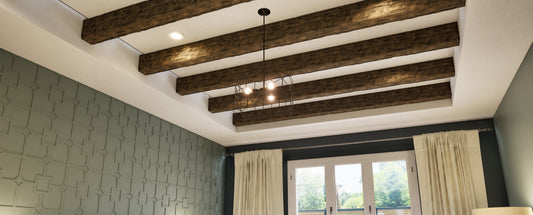
Best Faux Wood Beams for Vaulted Ceilings
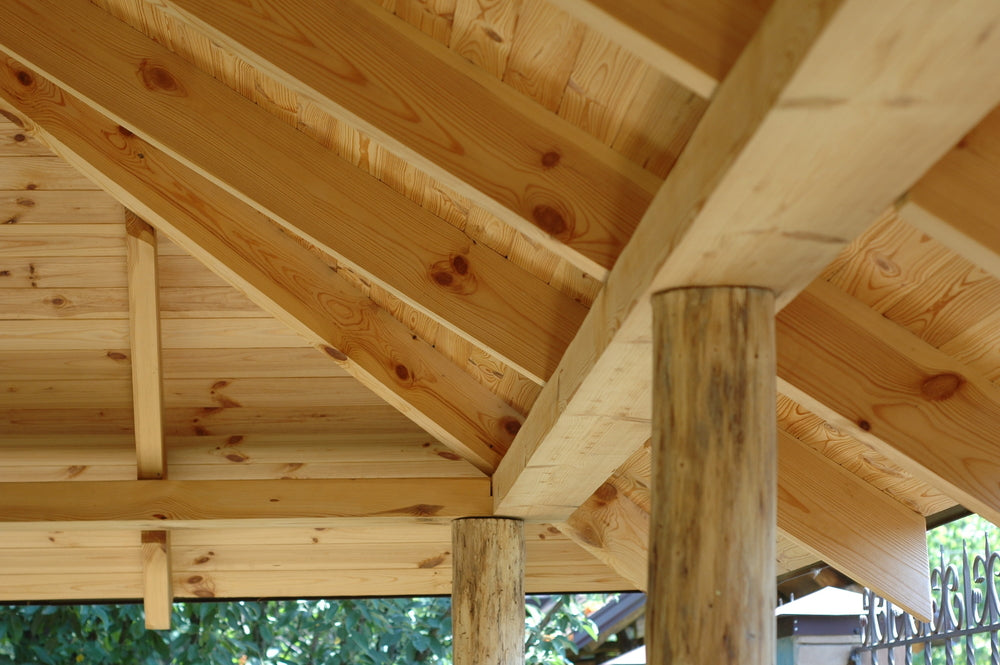
Quick answer: Faux wood beams for vaulted ceilings provide the architectural beauty of solid timber without the heavy structural load or complex installation. High-density polyurethane faux beams are ideal because they resist warping, cracking, and moisture, making them the superior choice for ridge beams, trusses, and decorative ceiling layouts in large open spaces.
Vaulted ceilings instantly elevate a room by drawing the eye upward and creating a profound sense of volume. Yet, an uninterrupted expanse of drywall high above can sometimes feel cold or cavernous. Adding architectural elements to this overhead space bridges the gap between grand scale and human comfort. Ceiling beams for vaulted ceilings anchor these soaring spaces, bringing texture, warmth, and structural interest to the room.
Architects and designers frequently use decorative beams to define the character of a custom home. The challenge, however, comes during the execution phase. Suspending massive pieces of solid timber 15 or 20 feet in the air requires significant structural engineering, heavy machinery, and specialized labor. This complexity often derails interior design plans or forces severe compromises on beam scale and layout.
Advances in high-density polyurethane foam have revolutionized how builders and homeowners approach high ceilings. Today’s faux wood ceiling beams perfectly replicate the grain, texture, and coloring of natural wood. Because they weigh a fraction of real timber, polyurethane faux beams allow for unrestricted design flexibility. You can execute elaborate faux wood truss systems, dramatic ridge beams, and intricate intersecting layouts without retrofitting your roof structure.
This guide explores the best practices for designing, sizing, and installing faux wood beams for vaulted ceilings, helping you achieve a premium architectural finish.
Why Faux Wood Beams Work So Well on Vaulted Ceilings
Adding overhead architecture requires careful consideration of weight, structural support, and long-term material behavior. For steep pitches and high elevations, material choice dictates what is actually possible to build.
The Structural Problem With Real Wood
Solid wood is incredibly heavy. A solid oak beam measuring 8x8 inches can weigh over 20 pounds per linear foot. Suspending a 20-foot ridge beam of that size means hanging 400 pounds directly overhead. Securing that kind of dead load requires specialized hardware, heavy lifting equipment, and often additional structural blocking in the ceiling framing. Furthermore, real wood is hydroscopic. It absorbs and releases moisture, which leads to twisting, bowing, checking, and cracking over time. In a high-heat environment like the apex of a vaulted ceiling, this warping can pull joints apart and damage surrounding drywall.
Why Lightweight Faux Beams Are the Better Solution
Faux wood beams eliminate the structural and environmental risks of solid timber. Crafted from high-density polyurethane, these lightweight ceiling beams typically weigh between 1 and 3 pounds per linear foot, depending on the dimension. This drastic weight reduction means installers can mount faux beams directly to standard ceiling joists using basic wood blocking and standard fasteners. Because the material is dimensionally stable, polyurethane faux beams will never warp, rot, or crack, ensuring your ceiling layout remains pristine decades after installation.
The Design Impact of Beams on Vaulted Ceilings
Beyond solving structural challenges, decorative beams fundamentally change the spatial experience of a room. They introduce a layer of architectural detail that prevents large rooms from feeling sterile.
Architectural Depth and Visual Structure
A flat, expansive ceiling lacks dimension. Faux beams vaulted ceiling designs break up this flat plane, introducing shadow lines and depth. They provide a visual rhythm that guides the eye across the room, emphasizing the architectural shape of the roofline and reinforcing the structural logic of the home.
How Ceiling Beams Add Warmth and Texture
Large expanses of painted drywall absorb natural light and can leave a room feeling stark. Faux wood ceiling beams introduce organic textures and rich tones that warm up the space. The visual grain of the beam interacts with ambient light to create subtle highlights and shadows, making the room feel more intimate and grounded despite the high elevation.
Creating Focal Points in Large Open Spaces
In open-concept floor plans, delineating specific zones can be difficult. Beam layouts for vaulted ceilings help define these areas from above. A well-placed decorative truss or a series of parallel rafters can center a living room or highlight a dining space, creating a distinct focal point without the need for interior walls.
Vaulted Ceiling vs Cathedral Ceiling Beam Design
While often used interchangeably, vaulted and cathedral ceilings have distinct geometric differences that influence beam layout strategies.
Beam Layout Ideas for Cathedral Ceilings
Cathedral ceilings feature equal sloping sides that run parallel to the actual pitch of the roof, meeting at a central ridge. Cathedral ceiling beams typically follow this symmetrical geometry. The most effective approach is placing a prominent faux ridge beam at the peak, supported by perpendicular rafter beams extending down each slope. This mirrors traditional timber framing and emphasizes the dramatic height of the center peak.
Beam Design Options for Asymmetrical Vaulted Ceilings
Vaulted ceilings can take on various shapes, including single-sloped shed vaults, barrel vaults, or asymmetrical pitches. For these uneven planes, flexibility is critical. You might opt for a series of horizontal beams spanning the width of the room, or run parallel beams along the slope to draw attention to the highest wall. Faux beams allow you to easily customize the angles and cuts required for complex, asymmetrical ceiling geometry.
Popular Beam Layout Ideas for Vaulted Ceilings
The arrangement of your beams dictates the final architectural style of the space. Elite Ceiling Designs recommends choosing a layout that complements the scale of the room and the overall aesthetic of the home.
Single Ridge Beam Designs
A single ridge beam vaulted ceiling design is a minimalist approach that yields maximum impact. Running one massive faux wood beam along the apex of the ceiling highlights the length and height of the room. This layout works exceptionally well in modern spaces where clean lines are prioritized.
Ridge Beam With Decorative Rafters
For a more traditional or structural look, combine a central ridge beam with evenly spaced rafter beams extending down the slopes. This creates a classic ribcage effect that adds significant architectural depth and makes the ceiling feel highly customized.
Decorative Truss Systems
Trusses add a level of architectural sophistication that simple straight beams cannot match. Faux wood truss systems consist of multiple intersecting beams that mimic structural roof supports. Because faux wood is easy to cut and assemble, creating complex trusses is highly achievable.
King Post Trusses
A King Post truss features a central vertical post connecting the horizontal tie beam to the apex of the rafters. This design is robust and traditional, making it ideal for steep cathedral ceilings in large great rooms.
Scissor Trusses
Scissor trusses cross each other to form an "X" shape, leaving the center of the ceiling open. This layout is excellent for vaulted ceilings where you want to add structural interest without lowering the visual height of the room, as the bottom chords slope upward.
Modern Vaulted Ceiling Beam Layouts
Modern designs often favor simplicity. A popular contemporary approach involves running large, thick beams horizontally across the vault, essentially floating beneath the apex. This creates a striking geometric contrast against the angled ceiling and lowers the visual ceiling height to make the space feel cozier.
Best Faux Beam Textures for Vaulted Ceilings
The texture of your faux wood beams dictates the authenticity and style of the installation. Elite Ceiling Designs offers various textures molded directly from natural timber.
Resawn Faux Wood Beams
Resawn textures feature the subtle, straight-line marks left by a large circular mill saw. This texture offers a clean, relatively smooth appearance with just enough grain to look authentic. It is the perfect choice for modern farmhouse vaulted ceiling beams or transitional spaces.
Hand Hewn Faux Wood Beams
Hand hewn beams replicate the deep, irregular chops made by an adze or broadaxe. This aggressive, highly textured finish is ideal for rustic vaulted ceiling beam ideas, providing historical authenticity to cabins, lodges, and Mediterranean-style homes.
Choosing the Right Beam Finish for Your Home Style
The finish you select should harmonize with your flooring and cabinetry. Lighter finishes, such as bleached walnut or weathered gray, suit coastal and modern spaces. Darker stains like espresso or dark walnut add formal contrast and work well in traditional or Tuscan architecture. You can view various beam finishes in our project gallery to find the perfect match.
Installation Considerations for Vaulted Ceiling Beams
Installing beams on an angled surface requires specific planning, but faux wood simplifies the process dramatically compared to solid timber.
Why Lightweight Materials Matter
Lifting a rigid object to a high peak while navigating scaffolding is dangerous and exhausting. The lightweight nature of polyurethane faux beams means a small crew—or even two skilled DIYers—can maneuver large beams into position safely. It also negates the need to consult structural engineers for load-bearing approvals.
Planning Beam Placement
Careful layout planning is essential. Use painter's tape or a laser level to map out the beam spacing vaulted ceiling layout before making any cuts. Consider how the beams will interact with recessed lighting, ceiling fans, and HVAC vents.
Measuring Ceiling Angles Correctly
Vaulted ceilings require precise angle cuts where rafters meet the ridge beam or the wall. Using an angle finder or a digital protractor ensures your faux wood beams fit snugly against the ceiling pitch. Faux wood can be easily cut with standard woodworking tools, making it simple to fine-tune these angles on site.
Mounting Faux Beams on Vaulted Ceilings
Installation involves securing solid wood blocking (usually 2x4s or 2x6s) directly into the ceiling joists along your layout lines. The hollow U-shaped faux beam then slips securely over the blocking. Fasten the beam by driving finishing screws through the sides of the faux beam directly into the wood block.
Why Faux Trusses Are Easier Than Real Wood Trusses
Building a real wood truss requires complex joinery, heavy hardware, and an engineering stamp. Faux wood truss systems are assembled on the ground using standard screws and adhesive, then hoisted into place. This allows you to achieve the look of heavy timber framing without the massive labor costs or structural reinforcements.
Beam Sizing for High Ceilings
Scale is a critical factor in high-ceiling design. A beam that looks appropriately sized in a hallway will completely disappear on a 20-foot vaulted ceiling.
Recommended Beam Sizes for Different Ceiling Heights
For ceilings between 10 and 12 feet, beams measuring 6x6 inches or 8x8 inches offer balanced proportions. For true vaulted ceilings soaring 14 to 20 feet, you must scale up significantly. Ridge beams should be robust—often 10x10 inches or 12x12 inches—to ground the space visually. Smaller rafters (e.g., 6x8 inches) can then tie into the larger central beam.
How Beam Scale Changes the Look of a Room
Undersized beams make a room look unfinished and cheap. Oversized beams command attention and make a massive room feel more intimate by visually lowering the ceiling plane. When in doubt, scale up. Faux beams make scaling up affordable, whereas buying massive solid timber is cost-prohibitive.
Beam Spacing Guidelines for Vaulted Ceilings
The distance between your beams impacts the visual density of the ceiling.
Wider Beam Spacing vs Tighter Layouts
Tighter beam spacing (3 to 4 feet apart) creates a highly textured, traditional cottage or historic look. Wider spacing (6 to 8 feet apart) feels more contemporary and allows the architecture to breathe.
How to Create Balanced Beam Spacing
To achieve balanced spacing, measure the total length of the room and divide it by the desired number of beam bays (the space between the beams). Always account for the actual width of the beams themselves during this calculation to ensure equal drywall reveals across the entire ceiling.
Design Styles That Work Well With Vaulted Ceiling Beams
Faux wood beams adapt to virtually any architectural aesthetic, depending on the texture, layout, and finish chosen.
Modern Farmhouse Beam Designs
Modern farmhouse design relies heavily on high contrast and clean lines. Pair crisp white vaulted ceilings with resawn faux wood beams finished in a medium, warm oak tone. Simple rafter layouts or single ridge beams work best here.
Rustic Lodge and Cabin Ceilings
For a rustic lodge aesthetic, embrace heavy texture and dark colors. Hand hewn faux beams arranged in elaborate King Post or Scissor truss layouts create the rugged, structural feel expected in mountain homes and cabins.
Mediterranean and Tuscan Beam Styles
Tuscan architecture favors dark, rich woods set against warm, plaster-style walls. Close beam spacing with heavy, dark walnut faux beams will instantly evoke a Mediterranean villa atmosphere.
Mountain Modern Ceiling Beams
Mountain modern architecture blends the organic textures of rustic design with the sleek lines of contemporary architecture. Use large, smooth-textured faux beams in lighter, greige finishes to bridge this aesthetic gap.
Transitional Interior Design Applications
Transitional design balances traditional warmth with modern restraint. Moderately sized beams with subtle grain textures—painted crisp white or finished in a very light natural stain—add architectural interest without dominating the space.
Best Rooms for Vaulted Ceiling Faux Wood Beams
Certain rooms naturally benefit more from the drama of high ceilings and overhead architecture.
Living Rooms and Great Rooms
The great room is the primary candidate for elaborate decorative truss inspiration and heavy ridge beams. Because this is the main gathering space, the ceiling should reflect the grandeur of the home.
Kitchens With Vaulted Ceilings
Vaulted kitchens are stunning but can feel echoey and cold. Adding faux beams lowers the visual ceiling, bringing warmth to a space dominated by hard surfaces like stone counters and tile backsplashes.
Bedrooms With Vaulted Ceilings
In a primary suite, comfort and intimacy are key. A vaulted ceiling remodeling idea for bedrooms is to run parallel beams horizontally across the vault, which creates a cozy, canopy-like effect above the bed.
Entryways and Foyers
First impressions matter. A vaulted foyer featuring a beautifully finished faux wood truss immediately signals premium custom home design to anyone walking through the front door.
Dining Rooms With Vaulted Ceilings
Dining rooms require a centralized focal point. Use ceiling beams to frame the dining table below, and coordinate the beam layout with a large, statement-making chandelier.
Outdoor Vaulted Ceilings and Covered Patios
High-density polyurethane faux beams are highly resistant to moisture and pests, making them an excellent choice for covered outdoor living spaces. They bring interior refinement to outdoor vaulted patios.
Common Mistakes to Avoid With Vaulted Ceiling Beams
Avoid these frequent pitfalls to ensure your ceiling project looks professional and authentic.
Using Beams That Are Too Small
The most common error is severely undersizing the beams for the volume of the space. Faux beams vaulted ceiling designs require substantial width and depth to look structurally plausible from the floor.
Ignoring Ceiling Geometry
Failing to match the angles of the room results in awkward gaps and clumsy transitions. Always measure the pitch of your ceiling accurately before ordering or cutting your beams.
Inconsistent Beam Spacing
Uneven spacing immediately draws the eye and looks like a mistake. Take the time to snap chalk lines and measure the room meticulously to ensure exact, uniform beam bays.
Choosing the Wrong Beam Texture
Putting a heavily distressed, hand hewn beam in a sleek, ultra-modern living room creates aesthetic confusion. Match the texture of the faux wood ceiling beams to the specific architectural style of the home.
Overcomplicating the Ceiling Layout
While faux wood truss systems offer endless design possibilities, too many intersecting beams can make a ceiling feel cluttered and oppressive. Balance is critical; let the architecture breathe.
Why Faux Wood Beams Continue Growing in Popularity
The shift from solid timber to high-quality polyurethane beams is driven by practical realities and advancing manufacturing technology.
Lightweight Installation Advantages
Eliminating the need for cranes, structural engineers, and heavy reinforcements saves thousands of dollars on a custom build. Faux beams offer a streamlined installation process that keeps projects on schedule.
Long-Term Durability Benefits
Real wood in a vaulted ceiling will inevitably react to temperature and humidity fluctuations. Faux wood beams remain perfectly stable, ensuring your ceiling design never suffers from cracked joints, twisting, or pest damage.
Why Faux Beams Work Well in Large Custom Homes
Custom homes demand premium finishes and complete design freedom. Foam beam products allow designers to spec exact dimensions, textures, and finishes, ensuring absolute consistency across massive open-concept floor plans. Requesting a foam beam quote page evaluation is the first step toward unlocking these design possibilities.
Final Thoughts on Faux Wood Beams for Vaulted Ceilings
Enhancing a high ceiling requires materials that deliver massive architectural impact without introducing structural liabilities. Best faux wood beams for vaulted ceilings achieve exactly this, offering the warmth, texture, and visual weight of natural timber in a highly practical format.
By eliminating the heavy loads, warping risks, and complex engineering associated with real wood, lightweight faux beams give homeowners and builders total design flexibility. Whether you are executing a modern farmhouse ridge beam or a massive rustic truss system, polyurethane faux beams ensure an easier installation, superior long-term durability, and a flawless architectural finish. To explore the possibilities for your space, review our beam finishes and connect with our team for professional installation help and services.
Frequently Asked Questions
Are faux wood beams heavy enough to require structural ceiling support?
No. High-density polyurethane faux beams typically weigh between 1 and 3 pounds per linear foot. They can be mounted directly to standard ceiling joists using basic wood blocking, requiring no heavy structural reinforcement.
Can I install faux wood beams on a vaulted ceiling myself?
Yes. Because they are incredibly lightweight and easy to cut with standard woodworking tools, faux beams are a viable DIY project. However, installing them on high vaulted ceilings requires tall scaffolding and careful angle measurements, so hiring a professional is recommended for complex truss layouts.
Will faux wood beams warp or crack in the heat of a high ceiling?
Unlike real solid timber, polyurethane faux beams are dimensionally stable. They do not absorb moisture or react to the high heat that gathers at the peak of a vaulted ceiling, meaning they will never warp, twist, or crack over time.
What size faux beam should I use for a 15-foot vaulted ceiling?
For a 15-foot vaulted ceiling, choose beams with substantial scale. A 10x10 inch or 12x12 inch faux beam serves as an excellent central ridge beam, while 8x8 inch beams work well for supporting rafters. Undersized beams will visually disappear at that height.
How do you cut faux wood beams to match the angle of a vaulted ceiling?
Faux wood beams can be cut easily using standard tools like a miter saw or hand saw. Use an angle finder to determine the exact pitch of your ceiling, transfer that measurement to the beam, and make a clean cut for a precise, flush fit against the drywall.