Custom Architectural Foam

Not every project can use standard trim or off-the-shelf architectural elements. Many buildings require details that are specific to the design, the scale of the structure, or the style of the architecture. Custom architectural foam fabrication makes it possible to create those elements while keeping installation practical.
Architectural foam can be fabricated into a wide range of shapes and profiles used in exterior facades, decorative trim, cornices, columns, and other architectural accents. Because the material is lightweight and easy to shape, it allows builders and designers to incorporate large decorative elements without the structural challenges that come with heavier materials.
Custom foam fabrication is commonly used in both residential and commercial construction where architectural details need to follow a specific design or match existing building features. By producing foam elements according to project drawings or specifications, it becomes easier to maintain consistency across the entire facade or interior design.
What Custom Architectural Foam Is
Custom architectural foam refers to decorative building elements fabricated to match a specific design rather than using standard trim profiles. The foam is shaped or cut into architectural components that follow the dimensions and details defined in the project drawings.
Because the material can be shaped with precision, it allows builders and designers to create architectural elements that would be difficult or expensive to produce from traditional materials. Large moldings, facade details, and decorative trim can all be fabricated to match the design of the building.
Custom foam elements are often used when a project requires architectural features that are unique to the structure or when existing details need to be replicated during renovations or additions. This flexibility allows architectural details to be reproduced consistently across a building while keeping installation manageable.
Types of Custom Foam Elements
Custom architectural foam can be fabricated into many different shapes depending on the design of the building. These elements are often used to create decorative architectural features that would be difficult to produce with standard trim profiles.
Custom Moldings and Trim
Custom foam moldings are frequently used when a project requires a specific trim profile that is not available as a standard molding. These trim pieces can be produced to match architectural drawings or replicate existing trim on a building.
Large Architectural Facade Elements
Some buildings use large decorative elements across the facade, such as cornices, bands, or oversized moldings. Foam fabrication makes it possible to produce these larger profiles without the weight of traditional materials.
Decorative Exterior Accents
Architectural accents such as brackets, facade details, or shaped trim pieces can also be fabricated from foam. These elements help create architectural character across exterior walls.
Interior Architectural Details
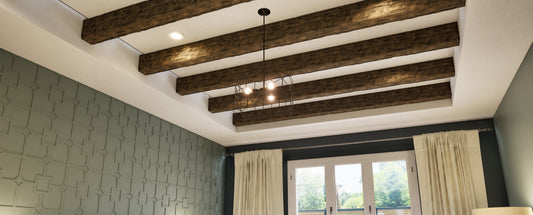
Custom foam fabrication is sometimes used for interior architectural elements such as ceiling details, wall moldings, or decorative features that require specific shapes or dimensions.
Why Builders Use Custom Architectural Foam
Many projects include architectural details that cannot be achieved with standard trim pieces. Custom architectural foam allows builders and designers to produce those elements while keeping installation practical.
One reason builders choose custom foam fabrication is the flexibility in design. Foam can be shaped into specific profiles that match architectural drawings or replicate existing building details.
Another advantage is the lighter weight of the material. Large decorative elements made from wood, plaster, or concrete can be difficult to handle and install. Foam allows those same architectural shapes to be produced without adding unnecessary structural load to the building.
Custom foam fabrication also makes it easier to maintain consistent architectural detailing across a project. When multiple pieces are produced from the same design profile, trim and facade elements can be repeated throughout the building with uniform dimensions and alignment.
Working With Architects and Designers
Custom architectural foam projects often begin with architectural drawings or design plans. Builders, architects, and designers use these drawings to define the profiles and dimensions of the decorative elements that will be incorporated into the building.
From these plans, foam components can be fabricated to match the specified shapes and proportions. This approach allows architectural details to follow the design of the building while keeping the fabrication process precise and consistent.
Custom foam fabrication is also useful when new construction needs to match existing architectural features. During renovations or additions, foam elements can be produced to replicate trim, moldings, or facade details that are already part of the structure.
Working from design plans helps ensure that the fabricated pieces align with the overall architectural layout of the project.
Custom Foam Fabrication Process
Custom architectural foam fabrication usually begins with a review of the project drawings or design specifications. These drawings define the shape, size, and profile of the architectural elements that need to be produced.
Once the design is reviewed, the required profiles are developed so the foam pieces match the architectural details specified in the plans. This step ensures that the finished components align with the proportions and layout of the building.
After the profile is established, the foam elements are fabricated according to the dimensions required for the project. Larger architectural components may be produced in sections so they can be transported and installed more easily.
The finished pieces are then prepared for installation and integrated with the surrounding exterior or interior finishes as part of the overall architectural design.
Exterior and Interior Applications
Custom architectural foam can be used in both exterior and interior environments where decorative architectural elements are part of the design. Because the material can be shaped into precise profiles, it allows builders and designers to incorporate detailed features across different areas of a building.
On building exteriors, custom foam elements are often used for facade moldings, cornices, trim bands, and decorative accents around windows and doors. These pieces help create depth and structure across large wall surfaces while maintaining consistent architectural detailing.
Inside a building, custom foam fabrication can be used for ceiling details, wall moldings, or other decorative architectural elements. These interior components help define spaces and add architectural character without requiring heavy materials or complex structural installation.
Using foam for both exterior and interior elements allows projects to maintain a consistent architectural style across the entire structure.
Frequently Asked Questions
1. Can architectural foam be custom made for a project?
Yes. Architectural foam elements can be fabricated according to project drawings or design specifications. This allows builders and designers to create trim, moldings, and decorative elements that match the architectural design of the building.
2. What types of custom foam elements can be fabricated?
Custom foam fabrication can include moldings, cornices, facade accents, trim profiles, and other decorative architectural components used on building exteriors or interiors.
3. Can custom foam match existing architectural details?
Yes. Custom foam fabrication is often used during renovations or additions where new architectural elements need to match existing trim or facade details on the building.
4. Is custom architectural foam used on commercial buildings?
Yes. Many commercial projects use custom architectural foam to produce decorative facade elements that follow the design of the building while keeping installation manageable.
5. Can custom foam elements be produced in large sizes?
Yes. Larger architectural components can be fabricated in sections to match the required dimensions of the project while making transportation and installation easier.