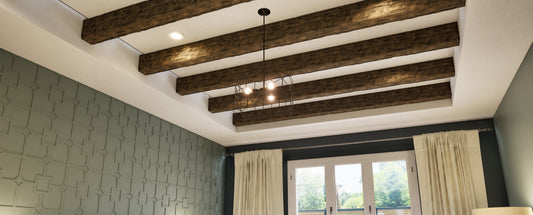
Decorative Foam Trim

Decorative foam trim is used to add architectural detail to walls, ceilings, windows, and exterior facades. These trim elements replicate the profiles of traditional moldings but are fabricated from lightweight foam rather than wood or plaster.
Builders and designers often use foam trim when a project calls for clean architectural lines without adding heavy materials to the structure. Crown moldings, window surrounds, and facade trim can all be produced with consistent profiles and installed across large areas of a building.
Because the material is lightweight, decorative foam trim can be easier to handle and install compared to traditional trim materials. It allows contractors to add architectural detail to both interior and exterior surfaces while keeping installation manageable.
Foam trim is commonly used in residential homes, commercial buildings, and renovation projects where decorative architectural features are part of the overall design.
What Decorative Foam Trim Is
Decorative foam trim is an architectural molding made from high-density foam that is shaped into specific trim profiles. These profiles replicate traditional moldings that were historically produced from wood, plaster, or carved stone.
The foam is cut or molded into trim pieces that can be installed along ceilings, walls, windows, and exterior facades. Once installed, the trim is typically coated or finished so it blends with the surrounding surface while still providing the raised architectural detail.
Because the material is lightweight, larger trim profiles can be used without the weight and installation challenges associated with heavier materials. This makes foam trim a practical option when a project requires decorative moldings across large sections of a building.
Decorative foam trim is used in both interior and exterior applications where architectural detail is part of the design.
Common Uses for Decorative Foam Trim
Decorative foam trim is used in many parts of a building to add structure and architectural detail to otherwise flat surfaces. The trim profiles help define edges, transitions, and openings while giving walls and ceilings a more finished appearance.
Ceiling Trim and Crown Moldings
Foam trim is frequently used as crown molding where the wall meets the ceiling. This type of trim helps soften the transition between surfaces and adds architectural detail to living rooms, dining areas, and entryways.
Window and Door Trim
Trim around windows and doors helps frame these openings and creates a stronger visual structure on both interior and exterior walls. Consistent trim profiles are often used across multiple windows to maintain symmetry in the design.
Exterior Architectural Trim
On building exteriors, foam trim is installed around windows, along rooflines, and across facade sections to break up large wall areas. These details help give the building more depth and architectural character.
Decorative Wall Accents
Foam trim can also be used to create decorative panels or horizontal bands along interior or exterior walls. These elements are often used to add subtle architectural detail without changing the structure of the wall itself.
Foam Crown Molding and Ceiling Trim
Foam crown molding is one of the most common types of decorative foam trim used inside a building. Installed where the wall meets the ceiling, crown molding helps create a clean architectural transition between the two surfaces.
In many rooms, especially living areas and dining spaces, crown molding adds visual depth to ceilings that would otherwise appear flat. The trim profile creates a defined edge around the perimeter of the room and gives the ceiling a more finished architectural appearance.
Foam crown molding is available in a range of profiles, from simple linear trim to more detailed molding shapes. Because the material is lightweight, larger molding profiles can be installed without the weight concerns that come with traditional plaster or wood crown moldings.
Ceiling trim made from foam is often used in residential homes, renovation projects, and commercial interiors where decorative ceiling detail is part of the design.
Exterior Decorative Foam Trim
Decorative foam trim is also widely used on building exteriors to add architectural detail to facades. Exterior trim profiles can frame windows and doors, run along rooflines, or create horizontal bands that help break up large wall surfaces.
On many homes, especially stucco exteriors, foam trim provides the raised architectural lines that give the facade more depth and structure. Without these trim elements, large exterior walls can appear flat or unfinished.
Because the trim pieces are lightweight, they can be installed directly onto exterior surfaces without the structural demands associated with heavier materials. Once installed and finished, the trim becomes part of the exterior facade while maintaining the defined architectural profile.
Exterior decorative foam trim is commonly used on residential homes, multi-unit buildings, and commercial facades where consistent architectural detailing is part of the design.
Advantages of Decorative Foam Trim
One of the main reasons decorative foam trim is widely used is its lightweight construction. Traditional trim made from plaster, wood, or concrete can be heavy and difficult to install, especially when larger molding profiles are involved. Foam trim allows those same architectural details to be added without increasing structural weight.
Another advantage is consistent profiles and clean lines. Because the trim is fabricated rather than carved or milled from natural materials, each piece can be produced with the same dimensions and shape. This is important when trim needs to run across multiple windows, walls, or sections of a facade.
Decorative foam trim also provides design flexibility. Different molding profiles can be produced to match various architectural styles, from simple modern trim to more detailed classical moldings.
Installation is typically more manageable as well. The lighter weight of the material allows contractors to handle and position trim pieces more easily than heavier traditional moldings, which can simplify the installation process.
Finally, foam trim can be a cost-efficient alternative to traditional materials while still providing the architectural detail that gives a building a finished appearance.
Architectural Styles Using Foam Trim
Decorative foam trim can be adapted to many architectural styles because the profiles can be produced in a wide range of shapes and sizes. This flexibility allows the trim to complement both traditional and modern building designs.
Traditional Homes
Traditional residential architecture often uses trim around windows, doors, and rooflines to create symmetry and structure. Foam trim can replicate the classic molding profiles commonly found in these homes.
Mediterranean and Spanish Architecture
Mediterranean and Spanish-style homes frequently use decorative trim and moldings to emphasize windows, balconies, and facade transitions. Foam trim is commonly integrated with stucco finishes to create these raised architectural details.
Modern Exterior Design
Modern architecture sometimes uses simpler trim profiles to define clean lines across the facade. In these cases, foam trim can be used to highlight transitions between wall sections without adding heavy ornamentation.
Commercial Buildings
Commercial facades often use architectural trim to create a more finished and professional exterior appearance. Foam trim can be installed across larger surfaces to add consistent architectural detail while keeping installation practical.
Custom Foam Trim Fabrication
Some projects require trim profiles that aren’t available as standard moldings. Custom foam trim fabrication allows trim pieces to be produced according to the specific design of the building.
Custom profiles can be created from architectural drawings, design specifications, or existing trim that needs to be matched during renovations. This process allows builders and designers to maintain consistent architectural details across the entire structure.
Because foam can be cut and shaped with precision, custom trim can be fabricated in a wide range of sizes and profiles. This makes it possible to produce larger moldings, unique architectural accents, or trim that aligns with the style of the surrounding architecture.
Custom foam trim fabrication is often used when projects require specific molding profiles or when exterior designs include decorative details that cannot be achieved with standard trim pieces.
Decorative Foam Trim Installation Overview
Decorative foam trim is typically installed directly onto walls, ceilings, or exterior surfaces using construction adhesives and mechanical fasteners when needed. Because the material is lightweight, the trim pieces can usually be positioned and secured without the structural support required for heavier moldings.
Once the trim is aligned and attached, seams and joints are finished so the pieces appear continuous across the surface. The trim is then coated or painted to match the surrounding wall or ceiling finish, allowing the molding profile to blend naturally into the overall design.
For exterior installations, foam trim is commonly integrated with finishes such as stucco or EIFS systems so the trim becomes part of the building’s facade while maintaining its raised architectural detail.
Frequently Asked Questions
1. What is decorative foam trim used for?
Decorative foam trim is used to add architectural detail to ceilings, walls, windows, and exterior facades. The trim creates raised molding profiles that help define edges, transitions, and openings in a building’s design.
2. Can decorative foam trim be used outdoors?
Yes. Many foam trim profiles are used on building exteriors around windows, doors, and rooflines. When properly coated and integrated with exterior finishes, the trim becomes part of the facade system.
3. Is foam trim durable?
Foam trim is designed to maintain its shape once installed and finished. Protective coatings help strengthen the surface and allow the trim to hold up in both interior and exterior environments.
4. Can foam trim be painted?
Yes. Decorative foam trim can be painted or coated to match surrounding walls, ceilings, or exterior finishes, allowing it to blend naturally into the overall design.
5. Does foam trim crack over time?
When installed and finished correctly, foam trim is designed to remain stable. Proper installation and finishing help ensure the trim maintains its appearance over time.