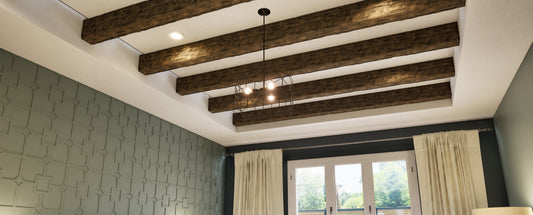
2026 Faux Wood Beam Ceiling Trends & Ideas

Quick answer: In 2026, faux wood beam ceiling trends are moving away from heavy, rustic farmhouse aesthetics toward quiet luxury, modern organic interiors, and biophilic design. Designers are prioritizing warm natural wood tones, dark contrast beams, and minimalist architectural layouts that treat the ceiling as a primary focal point rather than an afterthought.
Ceilings are no longer the forgotten fifth wall of interior design. As architectural focus shifts upward, designers are transforming flat, uninspired drywall into sweeping visual statements. While exposed structural elements have always held aesthetic appeal, the approach to these elements is evolving rapidly. The heavy, overly distressed rustic looks of the past decade are making way for sophisticated, intentional architectural warmth.
Today’s leading interior designers treat ceiling beam layouts as foundational design elements that define a room's atmosphere. By integrating modern faux wood beams, homeowners can achieve high-end architectural depth without the structural limitations of solid timber.
This guide explores the exact aesthetic directions, color palettes, and layout strategies dominating 2026 interior design. If you want to elevate your home with ceiling design trends that look current yet timeless, these are the designer-approved faux beam ceiling ideas you need to know.
What are the biggest faux wood beam design trends for 2026?
The overarching theme for ceiling design trends in 2026 is intentionality. Designers are using faux beams to create specific moods, define spatial boundaries, and introduce natural textures into modern spaces. Here is how that translates into specific aesthetic movements.
How is biophilic ceiling design evolving?
Biophilic interiors aim to connect indoor spaces with the natural world, and ceilings play a massive role in this movement. In 2026, biophilic ceiling design uses faux wood beams to introduce organic textures that mimic the natural environment. Rather than looking manufactured, these beams feature subtle, realistic grain patterns that bring the outdoors inside. This trend heavily favors raw, unstained wood looks that pair beautifully with abundant natural light and interior greenery.
What defines quiet luxury beam layouts?
Quiet luxury ceiling design focuses on understated elegance rather than loud, attention-grabbing rustic elements. This trend utilizes smooth-finished decorative ceiling beams with clean lines and subtle tonal variations. Instead of distressed adze marks, quiet luxury favors refined textures that look perfectly milled. The goal is to make the beams look like an original, high-end architectural feature of the home that doesn't need to scream for attention.
Why are modern organic interiors using faux beams?
Modern organic interiors blend sleek, contemporary lines with warm, natural materials. Faux beam ceiling ideas fit perfectly into this aesthetic by grounding minimalist spaces with organic warmth. Designers are pairing crisp white walls and modern furniture with warm oak faux beams to prevent the space from feeling sterile. Choose modern organic interiors if you want a space that feels simultaneously clean and cozy.
When should you use dark wood beam contrasts?
Dark wood ceiling beams are experiencing a major resurgence, particularly when contrasted against bright, stark white ceilings. This high-contrast approach draws the eye upward and emphasizes the architectural geometry of the space. Dark espresso or rich charcoal beams provide a dramatic, moody anchor in rooms with high ceilings or abundant natural light, creating a sophisticated tension between light and dark elements.
How are oversized beam statements changing spaces?
Instead of installing many small beams, the 2026 trend leans toward fewer, much larger beams. Oversized beam statements command attention and give a room a sense of grandeur and historical permanence. A massive center ridge beam, or two thick parallel beams spanning a large living space, feels far more impactful than a cluttered grid of smaller profiles.
What is minimalist beam geometry?
Minimalist beam geometry uses clean, straight lines without complex intersections or heavy corbels. This trend strips away ornate traditional detailing in favor of simple, parallel layouts that draw the eye toward architectural focal points, like a large window or a central fireplace. This streamlined approach perfectly suits modern, transitional, and contemporary homes.
Why are warm natural wood tones returning?
After years of cool grays dominating interior design, warm natural wood tones are back. Designers are specifying faux beam colors in honey, amber, and mid-tone browns that radiate warmth. These inviting shades combat the coldness of modern architecture and create spaces that feel comfortable, lived-in, and welcoming.
How do mixed texture ceilings enhance a room?
Mixed texture ceilings combine faux wood beams with other ceiling treatments, such as tongue-and-groove planking, shiplap, or even high-gloss painted drywall. By layering textures, designers create a richer visual experience. A popular 2026 approach involves pairing smooth, painted ceiling planks with slightly textured, natural-toned faux beams for subtle, sophisticated contrast.
What is architectural ceiling zoning?
In open-concept homes, designers are using faux beams for architectural ceiling zoning—visually separating different living areas without adding physical walls. For example, a coffered beam ceiling might define the dining area, while parallel beams run through the adjacent living room. This creates distinct "rooms" within a sprawling floor plan simply by changing the overhead architecture.
What are the top faux beam ideas by room in 2026?
Different spaces require different design approaches. Here is how modern ceiling beam ideas are adapting to specific rooms throughout the home.
What are the kitchen beam trends for 2026?
Kitchens remain the heart of the home, and kitchen beam ideas are shifting to accommodate modern lifestyles. Designers are framing oversized kitchen islands with perfectly aligned parallel beams to create a sense of symmetry. Warm oak tones are replacing heavy rustic finishes, representing a refined evolution of the modern farmhouse aesthetic. Additionally, designers are increasingly routing hidden LED strip lighting along the top edges of faux beams to provide soft, ambient glow that enhances the kitchen's atmosphere without cluttering the ceiling with harsh recessed lights.
How are basement ceiling trends changing?
Basement ceiling beam ideas are moving away from standard drop ceilings toward moody, atmospheric designs. The speakeasy aesthetic is a massive 2026 trend for subterranean spaces. Designers are utilizing matte black beams or deep walnut finishes to create intimate media rooms, lounges, and home bars. The contrast of dark decorative ceiling beams against textured ceiling tiles or dark painted drywall creates a rich, enveloping environment perfect for entertaining.
What are the top master suite ceiling trends?
In the bedroom, master suite ceiling ideas focus entirely on creating a sanctuary. The trend here is soft luxury—think spa-inspired spaces that promote rest and relaxation. Designers favor light natural woods, such as white oak or bleached walnut, arranged in calming, symmetrical palettes. Vaulted ceilings in master suites are often treated with a single, elegant ridge beam and widely spaced rafters to elevate the room without overwhelming it.
What living room ceiling trends dominate 2026?
Living rooms are the primary showcase for dramatic architectural features. Vaulted ceiling beam ideas in these spaces often include oversized ridge beams combined with clean, modern truss systems. This reflects a modern lodge influence—capturing the majesty of a mountain retreat but with the clean lines of contemporary design. These striking ceiling designs draw the eye upward, making the living room feel expansive and luxurious.
What are the most popular faux beam colors for 2026?
Color is the most critical factor in ensuring your faux beams look current. The 2026 faux beam colors lean heavily into natural, sophisticated palettes.
Why are warm walnut finishes trending?
Warm walnut is the ultimate chameleon color for 2026. It bridges the gap between traditional elegance and modern warmth. Walnut finishes offer rich, mid-tone browns without the heavy red or orange undertones of the past. This makes them incredibly versatile, pairing beautifully with both light neutral walls and moody, dark-painted spaces.
How to use driftwood and greige tones?
Driftwood and greige (gray-beige) tones are perfect for coastal, transitional, and quiet luxury interiors. These muted, desaturated colors offer the texture of wood without introducing heavy color into the palette. They work exceptionally well in bright, sunlit rooms where you want architectural interest that feels soft and airy.
When to choose natural white oak looks?
Natural white oak is the defining wood tone of the modern organic movement. It is light, fresh, and slightly warm. White oak faux beams are ideal for making a space feel larger and more open. Choose natural white oak looks if your interior features bright whites, creamy neutrals, and abundant natural textures like linen and stone.
Are charcoal and matte black beams popular?
Absolutely. Charcoal and matte black beams are the go-to choice for modern, industrial, and high-contrast contemporary homes. A black faux beam ceiling provides a sharp, graphic element that instantly modernizes a space. This color trend is particularly effective in basements, home theaters, and modern dining rooms seeking a touch of drama.
Why use soft cream painted beams?
Not all beams need to look like stained wood. Soft cream painted beams are a massive trend for traditional and transitional homes. By painting the faux beams a shade slightly darker or warmer than the ceiling itself, designers create subtle architectural depth. This tonal approach adds structure and elegance without the high contrast of a natural wood finish.
Which ceiling layout trends are designers using in 2026?
How beams are placed is just as important as the beams themselves. These layout trends define 2026 architectural styling.
Parallel beam layouts
The simplest approach is often the most effective. Parallel beam layouts—where beams run evenly spaced in one direction—are the standard for modern minimalist spaces. This layout elongates a room and directs the eye, making it an excellent choice for long, narrow living areas or open-concept kitchens.
Modern coffered ceilings
Coffered beam ceilings are evolving. Traditional coffers feature heavy, ornate molding. The 2026 modern coffered ceiling uses sleek, square-edged faux beams arranged in a clean grid. This provides the classic architectural weight of a coffered ceiling but with a crisp, contemporary edge that suits modern homes.
Floating beam illusions
For a highly contemporary look, designers are creating floating beam illusions. By leaving a small gap between the end of the faux beam and the wall, or by using hidden bracket systems, the beams appear to float effortlessly below the ceiling. This detail adds a layer of modern sophistication to any space.
Vaulted ridge beam systems
In rooms with pitched ceilings, the vaulted ridge beam system remains king. A massive central beam runs the length of the apex, often supported by smaller perpendicular rafter beams. In 2026, designers are keeping these systems visually clean, avoiding overly complex truss webbing in favor of simple, striking lines.
Asymmetrical beam placement
Breaking the rules of symmetry is a rising trend in avant-garde and modern organic design. Asymmetrical beam placement might involve grouping beams closer together over a specific functional area (like a dining table) and leaving the rest of the ceiling bare. This creates a highly customized, artistic focal point.
Box beam grid ceilings
Box beam grid ceilings interlock faux beams to create large, geometric squares or rectangles. Unlike traditional coffers, these grids are often wider and shallower, covering expansive ceilings in large great rooms to bring the perceived height down to a more intimate, human scale.
What faux beam ceiling styles are falling out of style in 2026?
Knowing what to avoid is crucial for achieving a timeless design. Several trends from the 2010s are firmly on their way out.
Overly orange wood finishes
Heavy, saturated orange and cherry wood stains instantly date a space. The market has moved decisively toward neutral, desaturated, or authentically warm brown tones. Avoid artificial-looking orange finishes to keep your home feeling current.
Tiny decorative beams
Using very narrow, shallow beams on a large ceiling looks disproportionate and flimsy. In 2026, scale is everything. Designers are opting for thicker, more substantial beam profiles that look structurally credible, even when they are purely decorative.
Overcrowded ceiling layouts
Cluttering a ceiling with too many intersecting beams creates visual chaos and makes the room feel smaller. The modern approach favors negative space. A few well-placed, significant beams are far superior to a busy, overcrowded layout.
Fake rustic distressing
Extreme artificial distressing—such as deep, manufactured gouges and repetitive faux-axe marks—is out. Buyers and designers now prefer subtle, realistic wood grain textures that mimic natural aging rather than forced rustic manufacturing.
Mismatched beam stains
While mixing wood tones in furniture is encouraged, mixing drastically different faux beam stains on the same ceiling is visually confusing. Cohesive, unified beam colors across a single visual plane are essential for a high-end, designer look.
How do you choose a faux beam style that won't feel dated?
To ensure your investment stands the test of time, balance current trends with timeless architectural principles. First, match the beam style to your home's inherent architecture; a sleek modern home benefits from smooth, minimalist beams, while a historic property can handle richer textures. Second, respect your ceiling height. Choose thicker beams for high, vaulted ceilings and shallower profiles for standard 8- or 9-foot ceilings so the room doesn't feel oppressive. Finally, stick to natural, mid-tone colors like walnut or white oak, as these organic shades transcend passing micro-trends and maintain their elegance for decades.
Ready to explore faux beam styles and custom ceiling designs?
If you are ready to transform your home with the aesthetic direction of 2026, Elite Ceiling Designs offers an extensive collection of premium faux wood beams. By focusing on architectural warmth, modern layouts, and trending color palettes, you can elevate your space from standard to spectacular. Browse our gallery to see these trends in action, and start planning a statement ceiling that perfectly captures the modern luxury aesthetic.
Frequently Asked Questions (FAQ)
What is the most popular faux beam color for 2026?
Warm walnut and natural white oak are the most popular faux beam colors for 2026. These tones provide natural warmth and pair beautifully with both modern organic and quiet luxury interior aesthetics.
Can faux wood beams be used in modern minimalist homes?
Yes. For modern minimalist homes, choose faux beams with smooth textures, clean square edges, and arrange them in simple, parallel layouts or high-contrast black finishes to maintain a sleek, uncluttered aesthetic.
Are vaulted ceiling beams still in style?
Vaulted ceiling beams are incredibly popular in 2026, particularly oversized ridge beams that draw the eye upward and emphasize the architectural height and volume of a living room or master suite.
How do I choose the right size ceiling beam?
Choose beam size based on ceiling height and room scale. For standard 8-to-9-foot ceilings, use shallower beams (e.g., 4x6 inches) to avoid lowering the ceiling visually. For vaulted or two-story rooms, choose oversized beams (e.g., 8x10 inches or larger) to ensure they make a proportionate architectural impact.
What is the difference between quiet luxury and modern farmhouse ceilings?
Modern farmhouse ceilings often feature heavy, distressed rustic woods and high-contrast whites. Quiet luxury ceiling design uses smoother, refined wood textures, subtle tonal variations, and minimalist layouts to create an understated, elegant architectural feel.