Pergola Ceiling Ideas: Faux Beams, Stretch Membranes & More
KEY TAKEAWAYS
- Faux wood beams add architectural detail to pergola frames without overloading the structure — they weigh 75–90% less than solid wood equivalents.
- Stretch membrane pergola ceilings provide full weather protection (rain, UV, dust) while maintaining a clean, finished overhead surface.
- Sacramento's 300+ days of sunshine demand UV-resistant materials; standard wood and fabric degrade quickly without UV treatment.
- Integrated LED strip lighting between beams or along perimeter tracks transforms pergolas into usable evening entertainment spaces.
- Budget ranges: faux beam upgrades ($1,200–$4,000), stretch membrane ceilings ($2,500–$6,000), louvered systems ($8,000–$20,000+) for a standard 12×16-foot pergola.
- Design styles range from modern minimalist (clean lines, metal frames, monochrome membranes) to rustic farmhouse (textured faux beams, warm wood tones).
Sacramento homeowners live outdoors for most of the year. With over 300 days of sunshine and dry summers stretching from May through October, the pergola has become the backbone of backyard design across the region — from East Sacramento bungalows to Folsom new-builds to sprawling Granite Bay estates. But the standard pergola — four posts, a few cross beams, and open rafters — leaves a lot of design potential on the table. For a comprehensive look at outdoor ceiling treatments, beams, and covered patio options, see our full outdoor ceiling and patio beam guide.
This guide explores the most popular and effective ways to upgrade your pergola ceiling — from adding decorative faux beams to installing a fully enclosed stretch membrane. Each option offers a different balance of aesthetics, weather protection, and budget, so you can find the right fit for how you actually use your outdoor space.
Traditional Pergola Beam Configurations
Open Rafter Style
The classic pergola design uses evenly spaced rafters (typically 2×6 or 2×8 lumber) running parallel across the top, supported by perpendicular beams on the posts. This configuration provides partial shade — roughly 40 to 60 percent coverage depending on rafter spacing and the sun's angle. The open design allows air circulation and gives climbing plants like wisteria, jasmine, and grape vines a natural trellis.
The limitation is obvious: no protection from rain, falling debris, or harsh midday sun. In Sacramento's July and August heat, when afternoon temperatures regularly hit 100°F or higher, partial shade from open rafters often is not enough for comfortable daytime use.
Lattice Top
A lattice panel placed on top of the rafter structure increases shade coverage to roughly 60 to 80 percent, depending on the lattice pattern density. Standard lattice panels cost $15 to $40 per 4×8 sheet and can be installed by a handy homeowner in a weekend. The crisscross pattern adds visual interest and provides a denser surface for vine growth.
However, lattice still does not block rain, and the thin wood strips are prone to warping, splitting, and UV degradation within 3 to 5 years unless regularly stained and sealed. In Sacramento's intense sun, even pressure-treated lattice can look weathered and gray after two seasons without maintenance.
Faux Wood Beam Upgrades for Pergolas
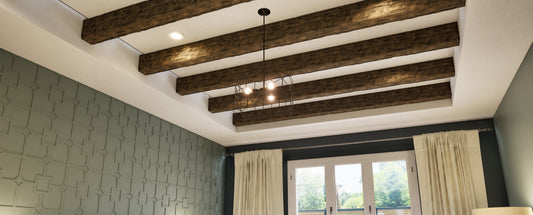
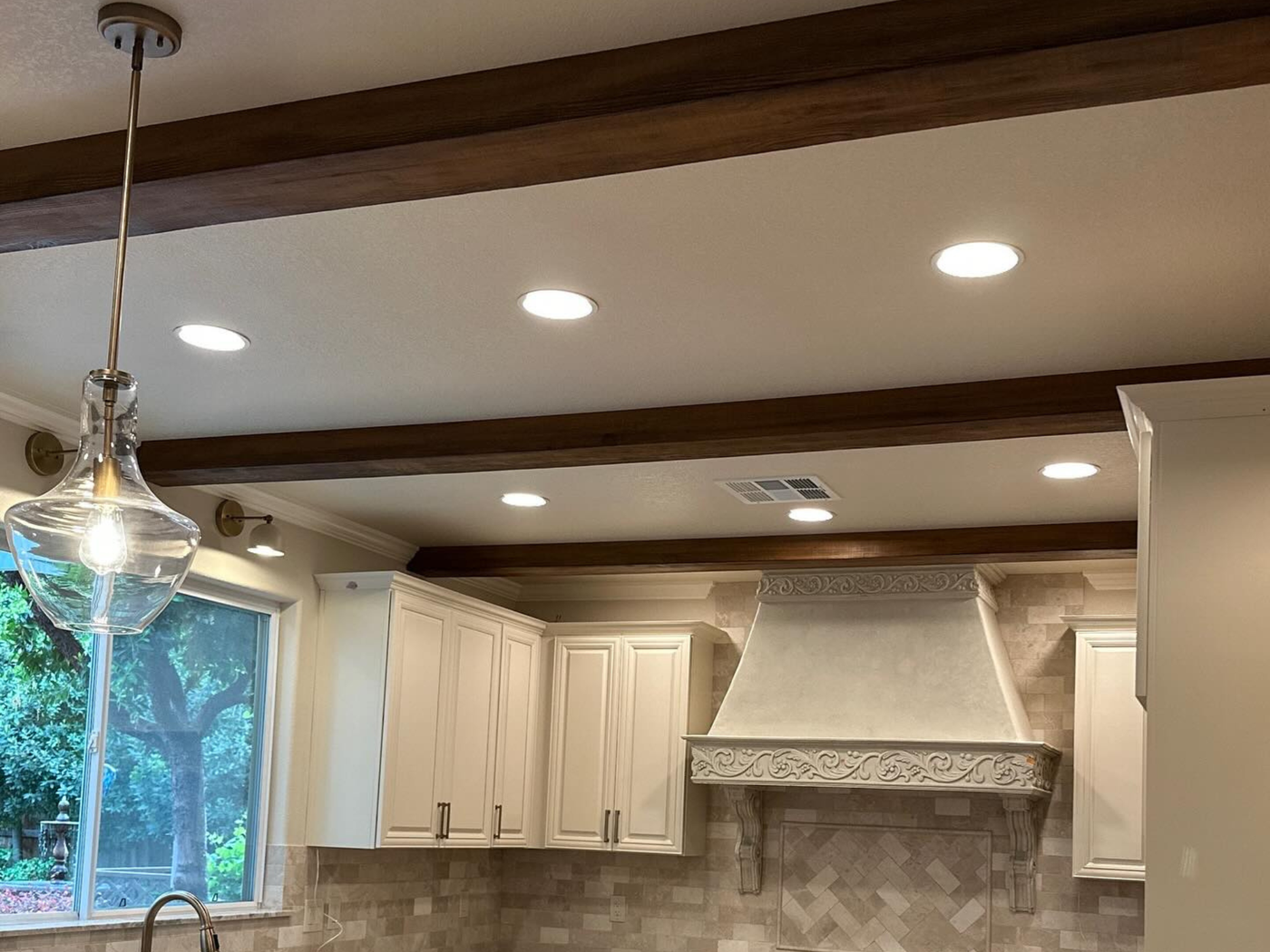
Faux wood beams are one of the most impactful upgrades you can add to an existing pergola structure. These hollow, lightweight beams are manufactured from high-density polyurethane foam or composite materials molded from real wood textures. They look and feel remarkably like solid timber — complete with grain patterns, knots, and saw marks — but weigh a fraction of the real thing.
A typical faux beam measuring 6×6 inches by 12 feet weighs around 10 to 15 pounds. The equivalent solid Douglas fir beam weighs approximately 85 to 100 pounds. This weight difference matters enormously for pergola applications, where the support posts and footings were engineered for a specific load. Adding 400 to 600 pounds of solid wood beams to a pergola designed for 100 to 150 pounds of rafter lumber could compromise the structure. Faux beams add the visual mass without the physical mass.
Installation Approach
Faux beams install over existing pergola rafters or as decorative additions between them. The hollow center slips over the structural member like a sleeve, and the beam is secured with construction adhesive and screws. For purely decorative beams that do not wrap an existing rafter, L-brackets or a mounting block system attaches the beam to the pergola frame. A professional installation crew can add faux beams to a standard 12×16-foot pergola in 4 to 6 hours.
Material and Finish Options
High-density polyurethane faux beams come in dozens of finishes: natural oak, dark walnut, weathered barnwood, hand-hewn cedar, driftwood gray, and more. For outdoor use in Sacramento, verify that the product is rated for exterior applications with UV stabilizers in the coating. Interior-grade faux beams can yellow, fade, or become brittle after a single summer of direct sun exposure. Premium brands like Volterra, Barron Designs, and Ekena Millwork offer exterior-rated lines specifically designed for pergolas, porches, and covered patios.
Budget estimate for faux beam upgrades on a standard 12×16-foot pergola: $1,200 to $4,000 installed, depending on beam size, quantity, and finish. Materials alone typically run $30 to $70 per linear foot for quality exterior-grade faux beams.
Stretch Membrane Pergola Ceilings
For homeowners who want full overhead coverage without the permanent, heavy look of a solid roof, a stretch ceiling membrane adapted for outdoor use is a compelling solution. The same PVC-based membrane used in interior stretch ceilings can be engineered for exterior installation with UV-resistant coatings and reinforced edge welding.
The membrane attaches to a perimeter track system mounted inside the pergola frame, stretching taut across the opening. The result is a smooth, seamless overhead surface that blocks rain, filters UV light (reducing transmitted UV by up to 90 percent depending on membrane color and opacity), and prevents dust and debris from falling through.
Advantages Over Fabric and Polycarbonate
Fabric shade sails and canopies are the most common pergola ceiling solution, but they have significant drawbacks. Fabric sags between attachment points, collects water in rain (creating dangerous weight loads), fades within 1 to 2 years even with UV treatment, and develops mold and mildew in damp conditions. Polycarbonate panels provide rain protection but trap heat underneath (creating a greenhouse effect), yellow over time, and have visible seams and fastener points.
A stretch membrane eliminates all of these issues. It does not sag — the tension system keeps it drum-tight. Water runs off rather than pooling. High-quality PVC membranes maintain their color and flexibility for 10 to 15 years with minimal maintenance. And the finished surface has no seams, no visible fasteners, and a clean, architectural look that elevates the entire structure.
Budget estimate for a stretch membrane pergola ceiling on a 12×16-foot structure: $2,500 to $6,000 installed, depending on membrane type, color, and whether integrated lighting is included.
Louvered Pergola Roof Systems
Louvered pergola roofs use adjustable aluminum slats that rotate from fully open (allowing sun and air through) to fully closed (providing complete rain and shade protection). Most systems are motorized with remote control or smart home integration. Premium brands like StruXure, Equinox, and Sundance offer models that close automatically when a rain sensor detects moisture.
Louvered systems represent the high end of the pergola ceiling market. A motorized louvered roof for a 12×16-foot pergola typically costs $8,000 to $20,000 or more depending on the brand, automation features, and whether integrated gutters, LED lighting, and heating are included. The investment buys the ultimate in flexibility — open sky when you want it, full enclosure when you need it.
For homeowners who want the adjustable concept at a lower price point, manual louvered panels and fixed-angle slat systems offer a middle ground at roughly $4,000 to $8,000 installed.
Pergola Lighting Ideas
Lighting extends the usability of your pergola well past sunset — critical for Sacramento's warm summer evenings when outdoor dining at 8 or 9 PM is standard. The overhead structure of a pergola provides natural mounting points for a range of lighting options.
String Lights Between Beams
Edison-style string lights draped between pergola beams remain the most popular option for their warm, casual ambiance. Use commercial-grade outdoor string lights with shatter-resistant LED bulbs (not the cheap import sets that fail after one season). Mount cup hooks or cable guides along the beams and create a gentle zigzag pattern. For a 12×16-foot pergola, two to three runs of 48-foot string lights provide even coverage. Budget: $60 to $200 for quality commercial-grade sets.
Integrated LED Strips
LED strip lighting mounted along the inside edge of beams or within the perimeter track of a stretch membrane provides clean, modern illumination without visible fixtures. Warm white (2700K to 3000K) creates an inviting glow; tunable white systems let you shift color temperature from warm to cool depending on the occasion. LED strips are energy-efficient (using 80 percent less power than incandescent equivalents) and last 25,000 to 50,000 hours. Budget: $200 to $800 installed depending on length and system quality.
Pendant Lights and Ceiling Fans
For pergolas with a solid or membrane ceiling, pendant lights and outdoor-rated ceiling fans become viable options. A fan is nearly essential in Sacramento summers — moving air makes 100°F heat feel closer to 90°F. Outdoor-rated fans with damp or wet ratings (UL listed) are designed to handle humidity and occasional moisture. Budget: $250 to $800 per fan installed; $150 to $500 per pendant light installed.
Material Considerations for Sacramento's Climate
Sacramento's Central Valley climate is defined by extremes: intense UV exposure, summer temperatures exceeding 105°F on peak days, and winter lows that occasionally dip below freezing. Any material used in a pergola ceiling must withstand this range without cracking, warping, fading, or becoming brittle.
UV resistance is the single most important factor. Materials without UV stabilizers — untreated wood, standard fabrics, basic polycarbonate — degrade rapidly in Sacramento's sun. Expect untreated pine to gray and splinter within 12 to 18 months. Standard polyester fabric shade sails lose 30 to 50 percent of their color within two years.
Recommended materials and their expected outdoor lifespan in Sacramento conditions: high-density polyurethane faux beams with UV coating (15–25 years), UV-stabilized PVC stretch membranes (10–15 years), powder-coated aluminum louvers (20–30 years), composite decking-style planks used as ceiling slats (15–20 years), and commercial-grade Sunbrella or similar solution-dyed acrylic fabric (8–12 years with proper care).
Pergola Ceiling Design Styles
Modern Minimalist
Clean lines, a monochrome palette (white, gray, or black membrane ceiling), slim aluminum or steel frame, and integrated LED lighting define the modern pergola. Skip ornate carvings and heavy beam profiles. Instead, use flat-profile faux beams or no decorative beams at all — let the stretch membrane and lighting do the work. This style pairs well with contemporary homes, pool areas, and rooftop decks.
Rustic Farmhouse
Thick, textured faux beams in weathered barnwood or hand-hewn finishes, combined with string lights and natural wood furniture, create a warm country aesthetic. This style dominates in Sacramento's suburban communities — El Dorado Hills, Rocklin, Roseville — where the farmhouse look connects indoor and outdoor living. Add climbing roses or wisteria on the pergola posts to complete the picture.
Mediterranean
Terracotta-toned faux beams, a warm ivory stretch membrane, wrought-iron lighting fixtures, and clay pot plantings create a Mediterranean pergola ceiling that complements the Spanish Colonial and Tuscan-style homes found throughout the Sacramento region. Heavier beam profiles (8×8 or 10×10 faux beams) and corbel details add authenticity.
Coastal Contemporary
Whitewashed or driftwood-gray faux beams, a light blue or white membrane, nautical-style rope details, and pendant lanterns evoke a coastal vibe — popular with Bay Area homeowners near the coast and increasingly seen in Sacramento's Land Park and Curtis Park neighborhoods as a relaxed alternative to formal outdoor design.
Planning Your Pergola Ceiling Upgrade
Start by defining your primary goal. If shade and aesthetics are the priority but you do not need rain protection, faux beam upgrades with optional shade elements deliver the biggest visual impact per dollar. If full weather protection matters — and it often does for Sacramento homeowners who entertain outdoors year-round — a stretch membrane or louvered system is the better investment.
Consider your pergola's structural capacity. Most standard residential pergolas are built to support their own weight plus moderate wind and snow loads. Adding a stretch membrane or louvered system introduces additional wind load that the structure must handle. A professional assessment ensures your posts, footings, and beams can support the upgrade safely. Our installation team evaluates every pergola structure before recommending a ceiling system.
Finally, think about lighting and electrical from the start. Running electrical conduit to a pergola after it is built and finished is disruptive and expensive. If you plan to add a fan, LED strips, or pendant lights, have the wiring installed during the ceiling upgrade, not after.
Elite Ceiling Designs works with residential clients throughout Sacramento, the Bay Area, and Northern California. We handle everything from design consultation through installation — including structural evaluation, material selection, lighting integration, and finishing details.