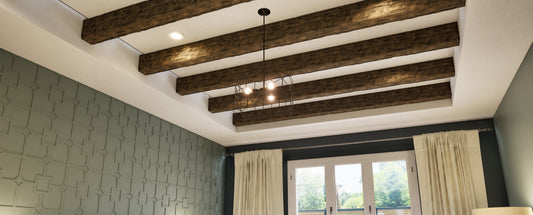
Tray Ceiling Ideas: Adding Depth & Drama to Your Rooms

Key Takeaways
- A tray ceiling (recessed/inverted ceiling) raises the center section 6–12 inches above the perimeter, creating depth and architectural interest.
- Three main tray styles: single tray, double/stepped tray, and curved cove tray — each with a distinct visual character.
- Tray ceilings perform best in rooms with 9-foot or higher starting ceiling heights. Rooms under 8 feet should avoid this treatment.
- Stretch ceiling membranes inside a tray deliver flawless finishes — glossy lacquer, backlit panels, or printed designs — that drywall cannot replicate.
- LED cove lighting along the tray ledge is the most popular enhancement, adding ambient glow and reinforcing the dimensional effect.
Tray ceilings are one of the most requested ceiling upgrades in Sacramento master bedrooms, formal dining rooms, and living rooms — and for good reason. A tray ceiling takes a flat, featureless plane and introduces real architectural dimension. The recessed center panel draws the eye upward, makes the room feel taller, and gives you a built-in framework for dramatic lighting and finish effects. For more ceiling design inspiration across every room type, see our complete ceiling design ideas guide.
This article walks through tray ceiling design from start to finish: what they are, the major style variations, finish and color options, lighting strategies, room suitability, and how modern stretch ceiling materials take tray designs to a level that traditional drywall simply cannot reach.
What Is a Tray Ceiling?
A tray ceiling — also called a recessed ceiling or inverted ceiling — features a center section that is raised higher than the surrounding perimeter. Picture an upside-down tray set into the ceiling: the outer edges sit at standard ceiling height, and the "bottom" of the tray (now the highest point) is recessed upward by 6 to 12 inches. The transition between the perimeter and the raised center can be a vertical step, an angled slope, or a smooth curve.
The result is a ceiling with visible depth and dimension. The perimeter ledge creates shadow lines. The raised center adds perceived height. And the transition zone — that step, slope, or curve — becomes a natural location for concealed lighting. Tray ceilings are installed in nearly every new-construction subdivision in the greater Sacramento area, from Natomas to Folsom to Roseville, typically in the master bedroom and sometimes in the formal dining room. But a builder-grade tray (basic drywall, flat white paint, no lighting) only scratches the surface of what this ceiling style can do.
Tray Ceiling Styles: Three Core Designs
Single Tray
The simplest and most common version. A flat perimeter at standard ceiling height (typically 9 feet) transitions through a single vertical step to a flat raised panel in the center (at 9.5 to 10 feet). The step is usually 6 to 12 inches deep, creating a clean ledge around the perimeter of the raised section. The single tray is straightforward to construct, works in nearly any room, and provides a clean architectural upgrade over a flat ceiling. It's the default tray style in most Sacramento tract homes.
Double Tray / Stepped Tray
A stepped tray adds a second (and sometimes third) ledge between the perimeter and the center panel. Each step is offset horizontally by 4 to 8 inches and rises 3 to 4 inches, creating a layered, tiered effect. The multiple ledges add visual complexity and provide additional surfaces for concealed LED strips. A double tray with two rows of cove lighting — warm white on the outer ledge, cool white on the inner — produces a rich, layered glow that a single tray cannot match. Stepped trays suit larger rooms (200+ square feet) where the multiple levels have space to read clearly.
Curved / Cove Tray
Instead of a sharp vertical step, a curved tray uses a concave or convex curve to transition from the perimeter to the raised center. The curve softens the visual transition, creating a flowing, organic shape that feels more contemporary and less boxy. Curved trays are more difficult to build with traditional drywall (they require flexible drywall sheets and skilled finishing), but stretch ceiling membranes conform to curved profiles effortlessly, making cove trays much more practical and affordable with modern materials. The curved profile also diffuses cove lighting beautifully — the light washes across the curve rather than hitting a flat surface, eliminating hot spots.
Tray Ceiling Finish Ideas
The finish you apply to a tray ceiling determines whether the result is subtle or show-stopping. Here are the most effective options, from conservative to dramatic.
Painted Contrast
The easiest tray ceiling upgrade: paint the raised center panel a different color than the perimeter. Standard approach is a white or light-colored perimeter with the tray panel painted 2 to 3 shades darker — a warm gray, soft blue, or deep taupe. The darker color makes the tray recede visually, enhancing the sense of depth. For a bolder statement, reverse the formula: paint the tray center a pale color and the perimeter a deep, saturated tone. This works exceptionally well in dining rooms and home offices.
Stretch Ceiling in the Tray
Installing a stretch ceiling membrane inside the tray panel opens up finish options that paint and drywall cannot achieve. A glossy lacquer stretch ceiling in the tray reflects light and the room below, creating a mirror-like depth effect that's striking in bedrooms and living rooms. The contrast between a matte drywall perimeter and a high-gloss tray center is one of the most visually impactful ceiling treatments available. The stretch membrane also hides any imperfections in the original ceiling surface within the tray — no sanding, no skim coating, just a flawless tensioned panel.
Backlit Tray Ceiling
A backlit stretch ceiling transforms the entire tray panel into a light source. LED panels are mounted above a translucent stretch membrane inside the tray, producing a uniform, diffused glow across the full panel surface. The effect mimics a skylight or a panel of natural daylight — particularly effective in interior rooms without windows or in bedrooms where soft, even ambient light is preferable to harsh point sources. Backlit tray ceilings are tunable: install color-changing RGB LEDs or tunable white (2700K to 6500K) strips to shift the light temperature throughout the day.
Wallpapered or Textured Tray
For a completely unexpected look, apply wallpaper, grasscloth, or a textured finish to the tray panel. A metallic wallpaper in the tray adds shimmer and catches light from a chandelier. Grasscloth introduces an organic texture overhead. Printed stretch membranes offer an even wider range: wood grain, marble, geometric patterns, even photographic imagery. The perimeter stays clean and simple, letting the tray panel become a contained design statement.
Lighting Strategies for Tray Ceilings
Lighting is what separates a mediocre tray ceiling from a spectacular one. The tray's built-in ledges and recessed geometry are practically designed for concealed lighting. Here are the primary approaches:
Cove LED Strips
The most popular tray ceiling lighting method. LED strip lights are installed on the horizontal ledge of the tray, hidden from direct view, so the light washes upward onto the raised ceiling panel. The result is a soft, indirect glow that outlines the tray shape and creates ambient illumination without visible fixtures. Use warm white (2700K) for bedrooms and living rooms, neutral white (3500K) for kitchens and bathrooms. Typical LED strip density for tray cove lighting: 60 LEDs per meter for a soft glow, 120 LEDs per meter for brighter output. Always run LED strips on a dimmer — a tray ceiling at 30% brightness is a nightlight; at 100% it's a room lamp.
Rope Lighting
A more budget-friendly alternative to LED strips. Rope lights provide a similar cove effect but with a slightly warmer, less precise glow. They're easier for DIY installation but lack the color-changing and tunable capabilities of modern LED strips. Rope lighting works for tray ceilings where the budget is tight and the goal is a simple accent rather than a primary light source.
Chandelier or Pendant Centerpiece
A tray ceiling naturally frames a center-hung fixture. A chandelier positioned at the center of the tray panel — with the chain or rod dropping from the highest point — looks intentional and balanced. The tray acts like a built-in ceiling medallion, giving the fixture context. For bedrooms, a drum pendant or a minimalist sputnik fixture works well within the tray. For dining rooms, a crystal or tiered chandelier commands the space. Pair the center fixture with cove lighting on the ledge for a layered look: the chandelier handles task and focal lighting, and the cove LEDs provide ambient fill.
Recessed Downlights
Recessed lights can be installed within the raised tray panel for directed task lighting or wall-washing. Position them 12 to 18 inches from the tray's inner edge, angled toward the walls, to create a balanced wash of light around the perimeter of the room. Recessed lights inside the tray work well in combination with cove lighting: the cove handles the tray accent, and the recessed fixtures illuminate the room below.
Room Suitability and Ceiling Height Requirements
Tray ceilings are not universally appropriate. The most important factor is the existing ceiling height.
Minimum Ceiling Height
A tray ceiling works by raising the center section above the perimeter. This means the perimeter — where you walk, stand, and position furniture — stays at or below the original ceiling height. For rooms with standard 8-foot ceilings, a tray is risky: the perimeter drops to 7.5 to 7 feet (to accommodate the tray construction and the raised center), which feels low and cramped. We strongly recommend a minimum starting ceiling height of 9 feet for any tray ceiling project. With 9-foot ceilings, the perimeter can remain at 8.5 to 9 feet while the tray center rises to 9.5 to 10 feet — comfortable proportions with genuine visual impact.
Best Rooms for Tray Ceilings
- Master bedrooms: The most popular location in Sacramento-area homes. A tray over the bed area (typically 10×12 feet) adds drama and provides a perfect frame for cove lighting that doubles as a dimmable nightlight.
- Formal dining rooms: A tray ceiling centered over the dining table reinforces the room's importance and naturally frames a chandelier.
- Living rooms and great rooms: Large-format tray ceilings (14×16 feet or more) define the main seating zone in open floor plans.
- Entryways and foyers: A smaller tray ceiling in the entry creates an immediate sense of arrival and vertical expansion.
Rooms to Avoid
- Any room with ceilings under 8 feet.
- Small bathrooms (under 60 sq ft) — the tray will feel out of proportion.
- Narrow hallways — a tray needs width to create its effect; in a 3- to 4-foot-wide hallway, it reads as a construction artifact, not a design feature.
How Stretch Ceilings Elevate Tray Ceiling Design
Traditional tray ceilings are built from drywall — the recessed section is framed, drywalled, taped, mudded, sanded, and painted. This process works, but it's limited in two important ways: the finish is always matte or eggshell paint, and any imperfections in the original ceiling (cracks, nail pops, texture inconsistencies) telegraph through to the final surface.
Stretch ceiling membranes eliminate both limitations. A stretch ceiling installed inside the tray delivers:
- A perfectly smooth, seamless surface with no visible joints, tape lines, or texture variations. The tensioned PVC or fabric membrane self-levels across the entire tray panel.
- Finish variety: matte, satin, glossy/lacquer, translucent (for backlighting), printed, or acoustic. You're no longer limited to what paint and drywall can do.
- Integrated lighting: LED panels behind a translucent membrane turn the tray into a full-surface light source. Aluminum tracking profiles concealed at the tray ledge hide all hardware.
- Speed and cleanliness: A stretch ceiling panel installs inside an existing tray in 3 to 5 hours for a standard bedroom-size tray — no dust, no sanding, no drying time.
· Moisture resistance: Unlike drywall, stretch membranes don't absorb moisture, crack, or develop mold. This makes them suitable for tray ceilings in bathrooms and kitchens where humidity is a concern.
The most striking application: a glossy lacquer stretch membrane in the tray center with a matte drywall perimeter. The lacquer panel reflects the room below — furniture, lighting, artwork — creating an illusion of doubled height. Visitors consistently describe this effect as "it looks like the ceiling disappears." It's one of the most high-impact ceiling treatments we install, and it works in bedrooms, dining rooms, and living rooms alike.
Tray Ceiling Proportions and Measurements
Getting the proportions right ensures your tray ceiling looks intentional rather than awkward. Here are the measurements that matter:
- Tray depth (height difference between perimeter and center): 6 inches minimum for visual impact. 10–12 inches for maximum drama. Under 4 inches reads as a construction error, not a design feature.
- Perimeter width (flat ceiling border around the tray): 12 to 24 inches from the wall to the tray's outer edge. A 12-inch border suits smaller rooms; 18–24 inches works for larger spaces. Less than 12 inches looks crowded.
- Tray center size: The raised panel should cover 50–70% of the room's ceiling area. A tray that's too small (under 40%) looks like a patch; one that's too large (over 80%) negates the perimeter framing effect.
- Stepped tray ledge width: For double/stepped trays, each ledge should be 4–8 inches wide. Ledges narrower than 4 inches don't register visually; wider than 8 inches start to look like shelving.
A tray ceiling is one of the most reliable ways to add architectural character to any room with sufficient height. The design is straightforward — a raised center panel framed by a lower perimeter — but the execution options range from a simple painted contrast to a fully backlit, glossy stretch ceiling installation that transforms the entire space. The key is matching the tray style, depth, and finish to your room's proportions and intended mood.
Considering a tray ceiling for your Sacramento or Bay Area home? Contact Elite Ceiling Designs for an in-home consultation. We'll assess your ceiling height, recommend the right tray style, and show you finish samples — including stretch ceiling membranes in glossy, matte, backlit, and printed options.