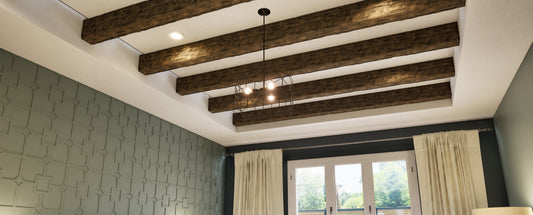
Can Faux Wood Beams Be Used Outdoors?

The appeal of exposed wood beams—evoking rustic charm, strength, and timeless style—isn't limited to interior design. Many homeowners dream of extending this architectural feature to their outdoor living spaces, envisioning beautiful timber framing on a porch, pergola, or gabled entryway. But using real wood outdoors introduces a host of problems: rot, insect damage, warping, and the constant need for maintenance. This leads to a critical question for architects, builders, and homeowners alike: can faux wood beams be used outdoors?
The answer is a resounding yes, provided you choose the right material. While some faux beams are meant for indoor use only, high-density polyurethane beams are specifically engineered to withstand the elements. These are not just decorative pieces; they are durable, long-lasting solutions designed for exterior applications. Using outdoor polyurethane beams allows you to achieve the stunning aesthetic of wood without any of the associated drawbacks.
This guide will explore everything you need to know about using exterior faux beams. We will delve into the science behind polyurethane's weather resistance, compare it to real wood, and provide practical advice on installation, finishing, and long-term care. At Elite Ceiling Designs, we specialize in creating high-quality polyurethane products that blend authentic beauty with exceptional performance, empowering you to transform your outdoor spaces with confidence.
Why Real Wood is a Challenge Outdoors
Before appreciating the benefits of polyurethane, it's important to understand the inherent weaknesses of real wood in an exterior environment. Wood is a natural, organic material, which means it is vulnerable to a range of environmental stressors.
1. Moisture and Rot
Wood is porous and readily absorbs moisture from rain, humidity, and melting snow. When wood remains damp, it creates the perfect breeding ground for fungi and bacteria, which leads to wood rot. Rot compromises the structural integrity and appearance of the wood, causing it to become soft, spongy, and discolored. Preventing rot requires diligent sealing and regular re-application, which is a significant maintenance commitment.
2. Insect Infestation
Outdoor wood is a prime target for wood-boring insects like termites, carpenter ants, and powderpost beetles. These pests tunnel through wood to create nests, feeding on the cellulose. An infestation can quickly turn a beautiful wooden beam into a hollowed-out shell, creating both a cosmetic and a safety issue. Treating for pests often involves harsh chemicals and can be a recurring expense.
3. Warping, Cracking, and Splitting
Wood expands and contracts with changes in temperature and humidity. This constant movement can cause beams to warp, twist, cup, or bow. Sunlight and dry conditions can also cause the wood to lose its natural oils, leading to cracking and splitting. These physical changes are not only unsightly but can also weaken the beam over time.
4. UV Damage and Fading
The sun's ultraviolet (UV) rays are incredibly damaging to wood. Prolonged exposure breaks down the lignin in the wood's cells, causing the surface to fade to a silvery gray. While some may appreciate this weathered look, it also indicates the wood is deteriorating. The finish or stain on the wood will also degrade, requiring frequent sanding and re-staining to maintain its color and protective qualities.
5. Weight and Installation Complexity
Large timber beams are extremely heavy. Installing them outdoors, especially at height, is a complex and dangerous job that requires heavy machinery, a large crew, and often structural reinforcement of the supporting structure. This drives up labor costs and project timelines significantly.
These challenges make real wood a high-maintenance and often impractical choice for many outdoor projects. This is precisely why outdoor polyurethane beams have become such a popular and intelligent alternative.
The Superiority of Polyurethane for Exterior Use
Polyurethane is a polymer, a man-made material engineered for stability and durability. High-density polyurethane, used for premium faux beams, is a "closed-cell" material. This structure is the key to its exceptional performance outdoors.
Understanding Closed-Cell Polyurethane
Imagine a honeycomb versus a sponge. A sponge (open-cell) has interconnected air pockets, allowing it to soak up water easily. A honeycomb (closed-cell) is made of sealed, individual cells that do not allow water to pass through. High-density polyurethane has a closed-cell structure, making it fundamentally waterproof. It cannot absorb moisture, which immediately eliminates the risk of rot, mold, and mildew. This core characteristic is what makes it an ideal material for exterior faux beams.
Our dedication to quality materials is a cornerstone of our company philosophy, something you can learn more about on our About Us page. We believe in providing products that solve problems for our clients, and polyurethane’s inherent durability is a perfect example.
Key Advantages of Outdoor Polyurethane Beams
1. Completely Waterproof and Weather-Resistant
Because polyurethane is a non-porous, closed-cell material, it is impervious to water in all its forms—rain, snow, ice, and humidity.
- No Rot or Decay: Unlike wood, it will never rot, swell, or decompose, even with constant exposure to moisture.
- No Mold or Mildew: The material does not support fungal growth, keeping the beams clean and structurally sound.
- Stable in All Climates: It remains stable in both humid, coastal air and the freeze-thaw cycles of colder regions.
2. Impervious to Insects
Termites and other wood-destroying pests feed on cellulose, the organic fiber that makes up wood. Polyurethane is a synthetic polymer and contains no organic material. Therefore, it offers no food source for insects. Your outdoor polyurethane beams will never be damaged by termites, carpenter bees, or powderpost beetles, saving you the worry and expense of pest control.
3. Exceptional Durability and Stability
Polyurethane is a rigid, stable material that is not susceptible to the physical changes that affect wood.
- No Warping or Cracking: It will not warp, bow, or twist when temperatures fluctuate. It does not dry out and crack from sun exposure.
- High Impact Resistance: High-density polyurethane is surprisingly tough and can withstand impacts from hail, ladders, or other accidental bumps without denting or breaking.
4. Advanced UV Protection
A common concern for any outdoor product is its ability to resist sun damage. Reputable manufacturers of exterior faux beams use high-quality finishing systems designed for this challenge.
- Automotive-Grade Pigments: The stains and colors are often formulated with the same type of UV-inhibiting pigments used in the automotive industry to prevent fading.
- Protective Clear Coats: A final layer of a UV-protective clear coat is applied to shield the color layers from the sun, ensuring the beam's color stays rich and true for many years. While some minimal fading can occur over a very long period with intense, direct sun exposure, it is far slower and less dramatic than the degradation of stained wood.
5. Lightweight and Easy to Install
This is a game-changing advantage. A polyurethane beam is a fraction of the weight of a solid wood beam of the same size. For an outdoor project, this means:
- DIY-Friendly Installation: Most outdoor beam installations can be handled by one or two people without special equipment.
- No Structural Reinforcement: You can add the grand look of heavy timbers to a porch or gable without needing an engineer to calculate load-bearing requirements.
- Versatile Mounting: They can be easily mounted to a variety of surfaces, including vinyl siding, stucco, brick, and wood.
The installation process is straightforward, and we provide extensive resources on our Installation and Help page to guide you.
Common Outdoor Applications for Faux Wood Beams
The versatility and durability of outdoor polyurethane beams open up a world of design possibilities for your home's exterior. Here are some of the most popular and impactful applications.
Porch Ceilings and Headers
Covering a porch ceiling with faux wood beams or using them as headers above porch columns can instantly add warmth and architectural substance. A plain, flat porch ceiling can be transformed into a rustic, inviting outdoor room. The beams can hide imperfections in the ceiling or conceal wiring for fans and lights.
Gables and Entryways
The gable is the triangular part of the wall at the end of a pitched roof. Adding decorative faux wood beams or a full truss system to a gable is a classic way to enhance curb appeal. It adds a touch of Craftsman, Tudor, or mountain-lodge style to your home's facade. Because the beams are lightweight, they can be installed high up on a gable without any structural concerns.
Pergolas and Pavilions
While the primary support posts of a pergola must be structural (typically pressure-treated wood or metal), all the overhead cross-beams and decorative rafters can be made from polyurethane. You can sleeve the structural posts with four-sided faux wood columns and then top them with lightweight faux beams. This gives you the magnificent look of a heavy timber pergola without the enormous weight and maintenance.
Outdoor Kitchens and Living Areas
As homeowners invest more in creating sophisticated outdoor living spaces, faux wood beams are a natural fit. Use them to define the space of an outdoor kitchen, frame a covered patio, or add character to a pool house. Their resistance to moisture makes them a perfect choice for these high-use areas.
Decorative Trusses and Corbels
Beyond simple beams, polyurethane can be molded into complex shapes like decorative trusses, rafter tails, and corbels. These elements can be added to overhangs, entryways, and window headers to create a layered, highly detailed architectural look that would be prohibitively expensive and difficult to achieve with real wood.
To see the wide range of styles and products available for these applications, you can explore our online shop.
Installing Faux Wood Beams Outdoors: A Step-by-Step Overview
While each project is unique, the general process for installing exterior faux beams is consistent and manageable for a competent DIYer.
Step 1: Planning and Measurement
Careful planning is the key to success. Determine the exact placement of your beams. Use a chalk line to mark their positions on the ceiling or wall. Measure the required lengths accurately. When ordering, it's wise to add a few extra inches to each measurement to allow for precise cuts on-site. For a detailed project budget, you can request a Foam Beams Quote from our team.
Step 2: Creating Mounting Blocks
Faux beams are hollow and are installed by being fastened to wood blocks. These mounting blocks (typically 2x4s or 2x6s) are first secured to the structure of the house.
- For a porch ceiling or soffit, you'll screw the blocks directly into the ceiling joists.
- For a wall or gable application, you will need to locate the wall studs and anchor the blocks to them using long, exterior-grade screws.
The mounting blocks should be cut to fit snugly inside the hollow of the beam.
Step 3: Cutting the Beams
Polyurethane beams can be cut easily using any standard wood-cutting saw. A miter saw will give you the cleanest cuts for angled ends or joints. Always "measure twice, cut once." It's best to make your cuts on the ground before lifting the beam into place.
Step 4: Applying Adhesive and Lifting into Place
Run a generous bead of high-quality construction adhesive along the top edges of the beam that will meet the ceiling or wall. This adhesive helps create a secure bond and seals the top joint against water intrusion. Because the beams are lightweight, lifting them into place over the mounting blocks is straightforward. One person can often handle shorter beams, while two people make longer installations easier and safer.
Step 5: Fastening the Beam
Once the beam is in place, drive exterior-grade screws through the sides of the beam and into the mounting blocks. The screws should be long enough to penetrate at least 1.5 inches into the blocks. Countersink the screws slightly so the heads sit just below the surface of the beam.
Step 6: Finishing Touches
This final step is what creates a professional, seamless look.
- Fill Screw Holes: Use a color-matched, paintable caulk or a textured wood filler to cover the screw heads.
- Seal the Seams: Apply a thin, neat bead of exterior-grade, paintable silicone caulk along the top edges where the beam meets the ceiling or wall. This provides a final, crucial seal against water.
- Touch-Up: Use a touch-up kit (often available from the beam manufacturer) to paint over the filled screw holes and any scuffs that may have occurred during installation. This blends the repairs perfectly with the beam's original finish.
For professionals and building contractors, partnering with a reliable supplier is key. We offer a Become a Partner program to provide dedicated support and services to our trade clients.
Long-Term Maintenance for Outdoor Faux Beams
One of the most attractive features of outdoor polyurethane beams is their minimal maintenance requirements. Compared to the annual scraping, sanding, and staining required for real wood, caring for faux beams is incredibly simple.
Routine Cleaning
In most cases, the only maintenance needed is occasional cleaning. Rain will naturally wash away much of the dust and pollen. If you notice any buildup, you can simply spray the beams with a garden hose. For more stubborn dirt or mildew in very shaded, damp areas, you can wash them with a soft brush and a solution of mild soap and water.
Inspecting Seals
Once a year, it's a good practice to quickly inspect the caulked seams where the beams meet the house. Look for any signs of cracking or pulling away. If you find any gaps, simply clean the area and apply a fresh bead of exterior-grade silicone caulk to maintain the waterproof seal. This five-minute check is the most important part of ensuring the longevity of your installation.
Touch-Ups and Refinishing
High-quality polyurethane beams are finished with advanced UV-resistant coatings. They are designed to hold their color for many, many years. In the unlikely event that a beam gets deeply scratched or if, after a decade or more of harsh sun exposure, you notice the finish has lost some of its luster, the beams can be refinished. You would simply clean the surface thoroughly and apply a new coat of a high-quality, water-based exterior-grade paint or a compatible clear UV-protectant coat. This process is far simpler than refinishing real wood, as it requires no heavy sanding or stripping.
The comprehensive Services we provide include expert advice on the long-term care of all our products.
Making the Right Choice for Your Home
The decision to use faux wood beams outdoors is a smart investment in your home's beauty and value. By choosing outdoor polyurethane beams, you are opting for a solution that delivers the timeless aesthetic of wood with none of the maintenance headaches. You get a product that is waterproof, pest-proof, stable, and easy to install.
This allows you to confidently add stunning architectural details to your porch, entryway, or patio, enhancing your curb appeal and creating inviting outdoor living spaces that you can enjoy for years to come. The question is not "if" you can use faux beams outdoors, but "how" you will use them to bring your vision to life.
If you're ready to explore the possibilities for your home, we're here to help. You can browse our full collection in our online shop, get a customized foam beams quote for your project, or contact us directly with any questions. Let's work together to make your home's exterior truly exceptional.