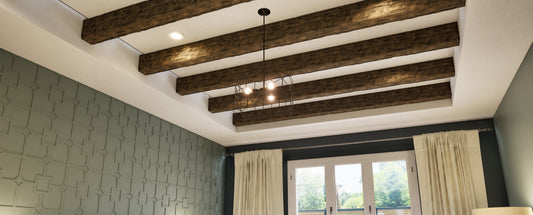
Exterior Faux Wood Beams for Outdoor Patios
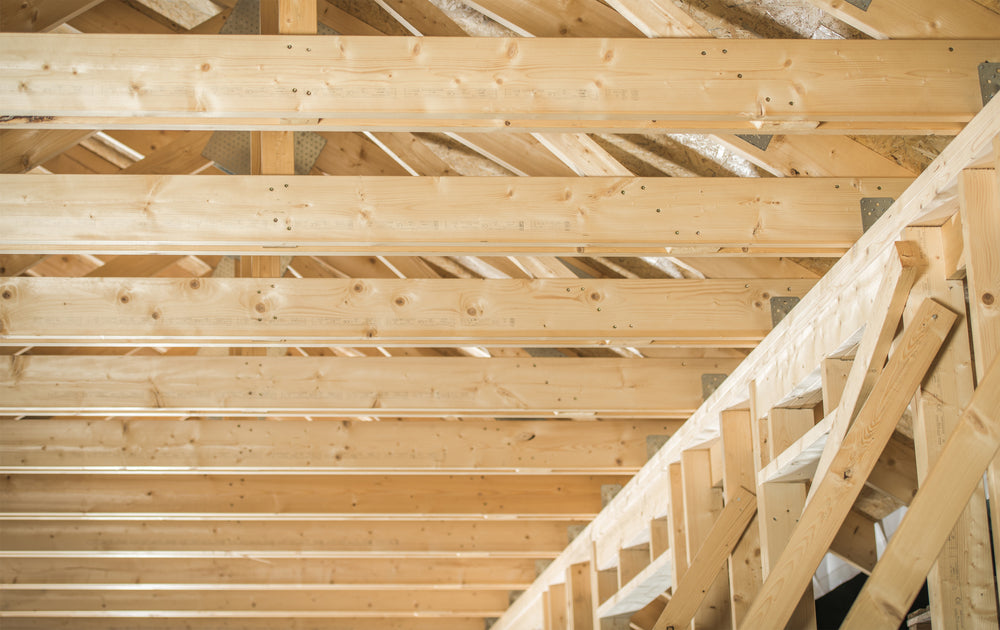
Outdoor living spaces have become essential extensions of our homes. A well-designed patio, porch, or pergola is no longer just a slab of concrete; it's an outdoor living room, a kitchen, a place for relaxation and entertainment. As we invest more in creating these beautiful and functional areas, the details matter. One of the most impactful ways to elevate an outdoor space is by incorporating architectural elements like ceiling beams. The look of rustic patio wood beams can transform a simple covered patio into a charming Tuscan villa or a modern mountain retreat.
For years, the only option for achieving this look was real wood. However, using natural wood outdoors presents a host of problems. It is a constant battle against moisture, sun, temperature swings, and pests. Wood requires relentless maintenance—sanding, sealing, and staining—to prevent it from rotting, warping, and deteriorating. Fortunately, there is a far superior solution for outdoor applications: high-quality exterior faux beams. Made from high-density polyurethane, these beams offer the authentic, stunning look of real wood with none of the vulnerabilities.
This guide will explore why polyurethane faux wood beams are the ultimate choice for enhancing your outdoor living areas. We'll dive deep into their incredible weather resistance, compare them directly to the struggles of maintaining real wood outdoors, and provide inspirational ideas for using them on patios, porches, and pergolas. You’ll also find practical installation advice specific to exterior applications, demonstrating how products from Elite Ceiling Designs can help you create a durable, beautiful, and maintenance-free outdoor oasis.
The Challenge of Real Wood in Outdoor Environments
Before highlighting the benefits of faux beams, it’s crucial to understand the inherent weaknesses of using real wood in an exterior setting. While beautiful initially, natural wood is in a constant struggle for survival when exposed to the elements. This leads to a cycle of costly and time-consuming maintenance.
1. Moisture: Wood's Greatest Enemy
The number one threat to outdoor wood is moisture. Rain, snow, humidity, and even morning dew can wreak havoc on timber.
- Rot and Decay: When wood absorbs moisture and cannot dry out completely, it becomes a breeding ground for fungi and bacteria. This leads to rot, which breaks down the wood's cellular structure, causing it to become soft, spongy, and structurally weak. For patio ceiling beams, this is not just an aesthetic problem; it can become a safety hazard.
- Warping, Twisting, and Splitting: Wood is hygroscopic, meaning it absorbs and releases water from the atmosphere. As it soaks up moisture, it swells. As it dries, it shrinks. This constant cycle of expansion and contraction puts immense stress on the wood, causing it to warp, twist, bow, and develop deep cracks or splits known as "checking." A once-straight beam can quickly become a distorted eyesore.
- Mold and Mildew: Damp wood surfaces are ideal for the growth of unsightly mold and mildew, which can cause dark, ugly stains and can be difficult to clean, especially on a high ceiling.
2. UV Radiation and Sun Damage
The sun's ultraviolet (UV) rays are relentless. Just as they can damage our skin, they also break down the materials in wood.
- Fading and Discoloration: UV exposure breaks down lignin, the natural polymer that holds wood fibers together. This causes the wood's rich color to fade, often turning it into a dull, silvery gray. While some may appreciate this weathered look, it's an uncontrolled process that often results in a blotchy, uneven appearance.
- Material Degradation: Over time, the breakdown of lignin weakens the surface of the wood, making it more susceptible to moisture penetration and physical damage. The finish or stain on the wood will also fail much faster under constant sun exposure, leading to peeling and flaking.
3. Temperature Fluctuations
The daily and seasonal changes in temperature add another layer of stress. The expansion and contraction from heat and cold work in conjunction with moisture changes, accelerating the process of splitting and warping. In climates with freezing temperatures, any moisture trapped inside the wood can freeze, expand, and cause the wood fibers to rupture from within.
4. Pests
Outdoor wood beams are a tempting target for a variety of pests.
- Termites and Carpenter Ants: These insects can tunnel through wood, creating extensive galleries that compromise its integrity. An infestation in outdoor ceiling beams can go unnoticed until significant damage has occurred.
- Woodpeckers and Other Borers: Birds and other insects can drill into wood, creating holes that not only look bad but also allow moisture to penetrate deeper into the beam, accelerating rot.
The Endless Maintenance Cycle
To combat these issues, real patio wood beams require a rigorous and perpetual maintenance schedule. This typically involves:
- Annual inspections for signs of rot, pests, or damage.
- Regular cleaning to remove mold and mildew.
- Periodic sanding, re-staining, and re-sealing every 2-3 years (or more frequently in harsh climates) to protect the wood from UV and moisture.
This maintenance is not easy. It involves working on ladders or scaffolding, dealing with messy stains and sealants, and investing significant time and money just to keep the beams from falling apart.
The Superior Solution: High-Density Polyurethane Exterior Faux Beams
Exterior faux beams made from high-density polyurethane eliminate every single one of the problems associated with real wood. They are engineered from the ground up to be a stable, durable, and completely weatherproof material, making them the perfect choice for any outdoor application.
Unmatched Weather and Moisture Resistance
The core advantage of polyurethane is its material composition. It is a closed-cell polymer, which means it is 100% waterproof.
- Impervious to Moisture: Polyurethane cannot absorb water. Rain, humidity, and snow have no effect on it. Because it doesn't soak up moisture, it will never rot, warp, crack, or split. A polyurethane beam installed on your patio today will have the exact same shape and dimensions in 20 years, regardless of the climate.
- No Mold or Mildew Growth: Since the material itself provides no organic food source and doesn't hold moisture, it is highly resistant to mold and mildew growth. This keeps your outdoor ceiling looking clean and beautiful without the need for harsh chemical cleaners.
This inherent stability means you can confidently install outdoor ceiling beams in any environment, from the humid coasts of Florida to the snowy mountains of Colorado, without fear of degradation.
Built-in UV Stability
High-quality exterior faux beams are manufactured with advanced UV inhibitors integrated directly into the material and the factory finish.
- Long-Lasting Color: Unlike wood stain that sits on the surface, the color and finish on a polyurethane beam are part of a multi-layer system designed to resist fading from sun exposure. The finish will retain its rich color and authentic look for many years with minimal to no maintenance.
- No Material Breakdown: The UV inhibitors protect the polymer structure itself, ensuring the beam remains strong and stable and does not become brittle or chalky over time.
Resistance to Temperature Extremes
Polyurethane is a chemically inert and stable material that is unaffected by temperature fluctuations. It remains stable in extreme heat and will not become brittle in freezing cold. It does not expand and contract with temperature changes in the way wood does, which is a key reason it maintains its structural integrity and perfect appearance year after year.
Completely Pest-Proof
Pests have absolutely no interest in polyurethane.
- Inedible Material: Termites, carpenter ants, and other wood-boring insects cannot eat it. It offers them no nutritional value, so they simply ignore it.
- Durable Surface: The tough, resilient surface is also unappealing to woodpeckers and other birds.
By choosing exterior faux beams, you completely eliminate the risk of pest infestation and the need for chemical treatments or repairs from pest damage.
The "Install It and Forget It" Advantage
When you combine all these benefits, the result is a truly maintenance-free product. Once you install polyurethane outdoor ceiling beams, you are done. There is no annual sealing, no periodic staining, and no worrying about what the weather is doing. You get to enjoy the timeless beauty of wood architecture without any of the labor and expense, a core benefit of theservices we provide.
Design Inspiration: Transforming Your Outdoor Living Space
Because exterior faux beams are so versatile and easy to install, they can be used to dramatically enhance a wide variety of outdoor structures. They allow you to define a space, add a "wow" factor, and create a seamless transition between your indoor and outdoor design aesthetics.
Covered Patios and Porches
A standard covered patio or front porch often has a plain, flat ceiling made of vinyl soffit or painted drywall. This is a missed opportunity for design. Adding faux wood beams can instantly transform it.
- Rustic Charm: For a farmhouse or lodge look, install a series of large, Hand Hewn or Resawn textured beams running parallel across the ceiling. Pair this with a stone fireplace and comfortable seating to create a cozy, rustic outdoor living room. The beams add a sense of substance and history that makes the space feel like a custom-built retreat.
- Tuscan Elegance: Use dark-stained, substantial beams to create the feel of an Italian villa. The contrast between the dark beams and a light-colored stucco or painted ceiling is a classic, elegant look. This works beautifully for outdoor dining areas or kitchens.
- Modern Lines: For a contemporary or transitional home, use smooth or lightly textured beams with clean lines. You can run them parallel or create a simple grid pattern (coffered ceiling). Consider finishing them in a color that matches the home's trim for a sophisticated, integrated look, or use a contrasting color to make a bold statement.
Pergolas and Gazebos
Pergolas are wonderful for defining an outdoor area and providing partial shade, but a standard pergola can sometimes feel a bit skeletal. Adding faux wood beams can give it a more finished, substantial appearance.
- Enhancing the Canopy: While the main posts and rafters of a pergola are structural (and must be made of real wood, steel, or vinyl), you can add decorative faux beams within the structure to enhance its look. For example, you can install larger, more decorative faux beams next to the smaller structural rafters to create the illusion of a heavy timber frame.
- Creating a "Roof": You can install faux wood beams across the top of a pergola and then lay polycarbonate roofing panels over them. This gives you the open, airy feeling of a pergola with the full rain and sun protection of a solid roof, all while enjoying the beautiful look of the beams from below.
- Gazebo Ceilings: The interior ceiling of a gazebo is a perfect place for a decorative beam treatment. Create a starburst pattern with beams radiating from the center peak, or build a mini-truss system to add incredible architectural detail.
Outdoor Kitchens and Bar Areas
As outdoor kitchens become more elaborate, a ceiling treatment is the perfect finishing touch.
- Defining the Zone: Use faux beams on the ceiling above your outdoor kitchen to visually separate it from the rest of the patio. This helps to create a distinct "room" and makes the kitchen feel more intentional and high-end.
- Integrating Lighting and Utilities: The hollow channel of faux beams is perfect for outdoor applications. You can easily run low-voltage wiring for pendant lights over your island, speakers for an outdoor sound system, or even gas lines for ceiling-mounted heaters, all completely concealed within the beam.
No matter your project, the lightweight nature of faux beams means you can add these details without needing to upgrade the underlying structure of your patio roof or pergola.
Installation Tips for Exterior Faux Beams
Installing exterior faux beams is very similar to an interior installation, but there are a few key considerations to ensure a professional, long-lasting result. The process remains straightforward and is well within the capabilities of a confident DIYer.
1. Materials and Tools
The basic process involves attaching wood mounting blocks to your ceiling structure and then securing the hollow, U-shaped faux beam to those blocks.
- Use Pressure-Treated Wood: For your mounting blocks, it is essential to use pressure-treated lumber. Standard pine or fir will eventually rot, even if it's mostly protected by the faux beam. Pressure-treated wood is infused with chemicals that resist moisture and decay, ensuring your mounting points remain solid for decades.
- Use Exterior-Grade Hardware: All screws, fasteners, and adhesives must be rated for exterior use. Use galvanized or stainless steel screws that will not rust or corrode. When selecting a construction adhesive, choose a high-quality polyurethane-based formula that is waterproof and rated for outdoor use.
2. Planning Your Layout
Just as with an interior project, careful planning is key. Measure your space and decide on your beam layout. Consider the location of any existing ceiling fans, lights, or speakers. You may need to plan your beam placement to accommodate these fixtures or decide to relocate them. Our detailedinstallation and help page offers comprehensive guides for this planning stage.
3. Securing Mounting Blocks
Your patio or porch ceiling is likely finished with vinyl soffit, plywood, or tongue-and-groove siding. You must secure your mounting blocks through this finished layer and firmly into the structural rafters or joists of the roof above.
-
Locate the Rafters: Use a stud finder to locate the roof rafters. They are typically spaced 16 or 24 inches on center. Mark their locations.
-
Attach the Blocks: Cut your pressure-treated 2x4s or 2x6s to fit snugly inside the hollow channel of your faux beam. Secure these blocks to the rafters using long, exterior-grade screws. Ensure the blocks are perfectly in line to create a straight mounting surface for your beam.
4. Cutting and Fitting the Beams
Polyurethane beams can be cut easily using standard woodworking tools like a handsaw or a miter saw.
- Measure Twice, Cut Once: Measure the required length for your beam and mark your cut line carefully.
- Making Angle Cuts: For vaulted ceilings or pergolas with angled roofs, you will need to make precise angle cuts. An angle finder can help you determine the exact angle of the roof pitch. Set your miter saw to this angle to ensure a perfect, flush fit against the wall or ridge.
5. Sealing the Joints
This is the most critical step for ensuring longevity in an outdoor installation. Any seams, joints, or screw holes must be perfectly sealed to prevent water intrusion.
- Seal the Top Edge: Before you lift the beam into place, run a continuous bead of high-quality, exterior-grade polyurethane caulk or sealant along the top edges of the beam—the two edges that will meet the ceiling. When you push the beam into place, this caulk will create a watertight gasket between the beam and the ceiling surface.
- Secure and Seal Screws: Attach the beam to the mounting blocks with exterior-grade screws. It's a good practice to dab a small amount of sealant on the screw hole before driving the screw. Once the screw is in, wipe away any excess and apply another small dab of sealant over the screw head.
- Seal Butt Joints: If you need to join two beams end-to-end to create a longer span, apply sealant to the ends before butting them together. Conceal the seam with a faux rubber beam strap or by using a color-matched exterior caulk.
Taking the time to seal every potential point of water entry ensures that moisture cannot get behind or inside the beam, guaranteeing a stable, worry-free installation for years to come.
6. Finishing Touches
Once the beams are installed and all joints are sealed, you can apply any finishing touches. Use the manufacturer's touch-up kit to conceal screw heads and any minor scuffs from installation. Add decorative elements like faux steel plates or brackets to enhance the rustic or industrial look.
If you have any questions about the specifics of your outdoor installation, our expert team is always available to help. You can easily get in touch via our contact page.
The Smart Investment: Budgeting for Your Outdoor Transformation
When comparing the cost of real patio wood beams to exterior faux beams, it’s essential to look at the total cost of ownership, not just the initial material price.
- Initial Cost: While prices vary based on size and style, the upfront cost of high-quality polyurethane beams is often competitive with, or even less than, good quality real wood.
- Installation Savings: The ease of installation with lightweight faux beams leads to significant savings on labor. A project that might take a professional crew several days with real wood can often be completed in a single day with faux beams. For DIYers, the savings are even greater.
- Zero Maintenance Costs: This is the most significant financial advantage. Real wood requires a budget for ongoing maintenance—materials for re-staining and sealing, and labor to perform the work. Over a 10-year period, this can add up to thousands of dollars. Polyurethane beams have zero maintenance costs. The initial investment is the final investment.
When you factor in the long-term savings on maintenance, polyurethane beams are overwhelmingly the more cost-effective choice for any outdoor project. To get a precise idea of the cost for your specific vision, you can easily request a personalized foam beams quote from our team.
Conclusion: Create Your Dream Outdoor Space with Confidence
Your outdoor living area is a valuable part of your home, and it deserves to be as beautiful and well-designed as the interior. Adding the architectural character of outdoor ceiling beams is one of the most effective ways to elevate your patio, porch, or pergola from ordinary to extraordinary.
While real wood may seem like a traditional choice, its constant battle with moisture, sun, and pests makes it a high-maintenance and short-lived option in an exterior environment. High-density polyurethane exterior faux beams offer a definitively superior alternative. They deliver the same authentic, stunning appearance of real wood while being completely weatherproof, pest-proof, and maintenance-free. Their lightweight nature makes installation safe, easy, and affordable, giving you the freedom to create the outdoor space of your dreams without compromise.
By choosing durable, stable, and beautiful polyurethane beams, you are making a smart, long-term investment in your home. You can achieve a high-end, custom look that you can enjoy for decades, without ever having to worry about rot, warping, or the endless cycle of sanding and staining.
Ready to transform your patio? Explore the wide range of rustic and modern beam styles available in our online shop and start planning your maintenance-free outdoor oasis today.