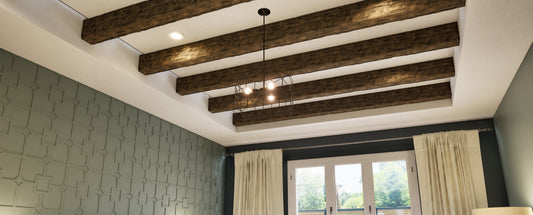
Do Faux Wood Beams Increase Home Value?

When considering home improvements, homeowners and investors constantly weigh the balance between aesthetic upgrades and return on investment (ROI). You want to create a space you love, but you also want to make smart financial decisions that will pay off when it's time to sell. This leads to important questions about which upgrades truly add value. While new kitchens and bathrooms are proven winners, what about architectural details? Specifically, do faux wood beams increase home value?
The answer is a clear and confident yes. High-quality decorative beams, particularly those made from realistic polyurethane, can significantly boost a home's appeal and, consequently, its market value. This isn't just about adding a cosmetic touch; it's about fundamentally altering the perception of a space. By adding character, warmth, and a sense of high-end design, faux beams can make a home more memorable and desirable to potential buyers. The impact on ceiling beams home value is a recognized factor among real estate professionals.
This article will dive deep into how and why decorative faux beams are a wise investment for your property. We will explore their effect on perceived value, curb appeal, and buyer psychology. We will also compare the ROI of lightweight polyurethane beams against the immense cost and complexity of structural timber, demonstrating why faux beams offer a superior financial advantage. For homeowners looking to enhance their living space and investors seeking to maximize decorative beams resale value, understanding this powerful design tool is essential. At Elite Ceiling Designs, we've seen firsthand how these architectural elements can transform a property.
Understanding Home Value: Beyond Square Footage
Before we analyze the impact of beams, it's crucial to understand what constitutes home value. It's a combination of tangible and intangible factors.
Tangible vs. Intangible Value
- Tangible Value: This refers to the quantifiable aspects of a property. It includes square footage, the number of bedrooms and bathrooms, the age of the roof, the efficiency of the HVAC system, and the condition of major appliances. These are the "bones" of the house that appraisers and inspectors focus on.
- Intangible Value (Perceived Value): This is the emotional component. It’s the "wow factor" a buyer feels when they walk through the door. It’s the sense of character, comfort, and luxury that makes a house feel like a home. Intangible value is created by design choices, lighting, architectural details, and overall ambiance.
While tangible factors set a baseline price, intangible value is what often leads to faster sales and higher offers. Buyers are more likely to pay a premium for a home that feels special and emotionally resonant. This is where decorative architectural elements, like faux beams, play a critical role. They are a direct investment in a home's intangible value.
The Psychology of Architectural Details
Architectural details signal quality and thoughtful design. Features like crown molding, wainscoting, and ceiling beams suggest that a home is not just a standard "builder-grade" box but a custom, well-crafted space.
When potential buyers see these elements, it creates a subconscious impression:
- A Sense of Permanence and Strength: Beams, even decorative ones, evoke a feeling of solid construction and timelessness.
- Luxury and High-End Finish: They are associated with custom homes and expensive renovations, elevating the perceived status of the property.
- Emotional Connection: The warmth and character provided by wood-look beams can make a space feel more inviting and memorable, helping buyers envision themselves living there.
Faux wood beams tap directly into this psychology, providing the visual cues of a high-end home at a fraction of the cost and effort of traditional materials.
How Faux Beams Directly Increase Home Value
Adding faux wood beams is a strategic upgrade that influences home value in several measurable ways. It's not just about aesthetics; it's about marketing, perception, and a tangible return on investment.
1. Elevating Perceived Quality and Price Point
Imagine two nearly identical homes in the same neighborhood. One has flat, plain ceilings. The other features beautiful wood-look beams in the vaulted living room and a matching beam in the master bedroom. Which home feels more expensive?
The home with the beams will almost always be perceived as higher quality and more luxurious. Buyers will subconsciously associate this feature with a higher price point. This powerful first impression can influence their entire tour of the property and their eventual offer. Faux beams transform a standard room into a "designer" space, justifying a higher listing price and making it seem reasonable to buyers. The impact on ceiling beams home value comes from this immediate upgrade in perceived quality.
2. Creating Memorable Focal Points
In a competitive real estate market, being memorable is key. Buyers often tour multiple homes in a single day. After a few hours, the properties can start to blend together. A house with a striking architectural feature, however, stands out from the crowd.
A dramatic ridge beam on a vaulted ceiling, a rustic truss in a great room, or a series of dark beams contrasting with a white ceiling creates a powerful visual anchor. This is the feature that buyers will remember and talk about later. "Remember the house with the amazing beams in the living room?" This memorability is a significant competitive advantage, leading to more second showings and a stronger connection with potential buyers.
3. Enhancing Curb Appeal with Exterior Beams
The value-adding power of faux beams isn't limited to the interior. High-quality, weather-resistant polyurethane beams can be used on a home's exterior to dramatically boost curb appeal.
Popular applications include:
- Gable Trusses: Adding a decorative truss to the gable of a roofline introduces a touch of Craftsman or mountain-lodge charm.
- Porch Headers: Using faux beams as headers above porch columns or along the porch ceiling adds substance and a welcoming, rustic feel.
- Entryway Accents: Framing an entryway with beams creates a grand and impressive entrance.
Curb appeal is a home's first impression, and it can add up to 7% to its value, according to some real estate studies. By creating a more attractive and custom-looking facade, exterior faux beams contribute directly to this increase.
4. Solving Design Problems and Increasing Functionality
Faux beams are not just decorative; they can be brilliant problem-solvers. Many homes have awkward structural elements, like steel I-beams in a finished basement or LVL beams that disrupt a ceiling line. A hollow, U-shaped faux beam is the perfect solution to conceal these eyesores.
By encasing an ugly structural beam within a beautiful faux wood beam, you turn a negative into a positive. You've solved a design flaw and added a high-end architectural feature in one step. This demonstrates thoughtful design and care to buyers, which adds to their confidence in the property. Our company has a long history of helping clients solve these exact issues, a commitment you can read about on our About Us page.
The ROI of Faux Beams vs. Real Wood
When discussing decorative beams resale value, it's essential to compare the different material options. While solid wood beams are beautiful, they represent a massive investment with a questionable return. Polyurethane faux beams offer a much smarter financial equation.
The Prohibitive Cost of Real Wood Beams
Installing solid timber beams is a major construction project with numerous costs:
- Material Cost: Large, high-quality wood beams are expensive, with hardwoods like oak or reclaimed timber costing thousands of dollars per beam.
- Engineering Costs: Because of the immense weight, a structural engineer must be hired to assess the ceiling joists and determine if reinforcement is needed to carry the load. This is a significant and non-negotiable expense.
- Labor and Equipment Costs: Installation requires a large crew and specialized equipment like scaffolding, cranes, or hoists to lift the heavy beams into place. This translates to thousands of dollars in labor.
- Finishing Costs: The wood must be sanded, stained, and sealed, adding to material and labor time.
The total cost for installing just one or two real wood beams can easily run into the tens of thousands of dollars. While it adds beauty, it's highly unlikely you will recoup this entire investment upon resale. It becomes an over-improvement for most properties.
The Superior ROI of Polyurethane Faux Beams
Now, consider the cost-benefit analysis of high-density polyurethane beams.
- Affordable Material Cost: Polyurethane beams are significantly more affordable than solid timber. You can achieve the same look for a fraction of the price. You can get a precise idea of this cost with a custom Foam Beams Quote.
- No Engineering Needed: Because the beams are incredibly lightweight, they add no significant load to the ceiling. You can install them without any structural modifications or the cost of an engineer.
- DIY or Low-Cost Installation: The lightweight nature and simple installation process make this a feasible DIY project for a handy homeowner. Even if you hire a contractor, the installation takes a fraction of the time, dramatically lowering labor costs.
- Pre-Finished Options: Most faux beams come pre-finished in a variety of realistic wood stains, eliminating the time and expense of on-site finishing.
A complete faux beam project might cost a few hundred to a couple of thousand dollars, depending on the scope. For this relatively small investment, you gain a significant boost in perceived value, memorability, and buyer appeal. It's not uncommon for the perceived value added by the beams to be 3x, 5x, or even 10x the actual cost of the project. This makes the ROI on polyurethane faux beams exceptionally high.
Explore the wide variety of styles and finishes in our online shop to see how accessible this high-impact upgrade can be.
What Real Estate Professionals Say About Ceiling Beams
To truly gauge the impact of ceiling beams home value, it's best to listen to the experts who are on the front lines of the housing market: real estate agents and home stagers.
The Staging Perspective
Professional home stagers are masters of creating emotional appeal. Their job is to highlight a home's best features and create a vision that buyers will fall in love with. Ceiling beams are a powerful tool in their arsenal.
Stagers use beams to:
- Draw the Eye Upward: In rooms with high or vaulted ceilings, beams accentuate the volume and sense of space.
- Add Warmth to Modern Spaces: In a minimalist or contemporary home that might feel cold, beams add necessary texture and organic warmth.
- Define Spaces: In open-concept layouts, a beam can create a visual separation between the kitchen and living area, making the space feel more organized and intentional.
Stagers know that homes with these kinds of well-executed details sell faster and for more money. The investment in adding beams is often far less than the cost of the first price reduction on a stagnant listing.
The Real Estate Agent's View
Real estate agents understand what makes buyers tick. They know which features generate excitement during a showing and which ones end up in the marketing descriptions.
An agent might list a home as: "Stunning great room with soaring vaulted ceilings and dramatic wood-look beams." This is a key selling feature used to attract buyers. They know that this detail differentiates the property from the competition. It provides a tangible hook for marketing materials and online listings, capturing more attention from potential buyers scrolling through hundreds of options.
Agents will often advise sellers to make small, high-impact upgrades before listing their home. Installing faux beams is frequently on that list because it's a relatively low-cost improvement with a high-impact result, directly contributing to a better market position and a higher potential sale price.
Choosing the Right Faux Beams for Maximum Value
To maximize the increase in home value, it’s not enough to just add any beam. The quality, style, and placement are all critical factors. A poorly chosen or installed beam can look cheap and detract from value.
1. Prioritize Realism
The key to adding value is authenticity. The faux beams must be visually indistinguishable from real wood. This is achieved through:
- High-Density Polyurethane: This material is rigid and captures fine details perfectly.
- Molds from Real Wood: The most realistic beams are cast from molds of actual reclaimed or hand-hewn timbers, preserving every knot, grain pattern, and tool mark.
- Multi-Tonal Finishes: A high-quality finish isn't a flat, single color. It involves multiple layers of stain and glaze to replicate the depth and variation of natural wood.
Investing in a high-quality product is paramount. Cheap, plastic-looking beams will have the opposite of the intended effect.
2. Match the Architectural Style
The style of the beam should complement the architecture of your home.
- Rustic/Farmhouse: A Hand Hewn or Rough Sawn texture with a warm, medium-brown stain is a perfect fit.
- Modern/Contemporary: A smoother beam, perhaps with a dark espresso or light, natural finish, can add warmth without looking out of place.
- Coastal/Transitional: A Resawn texture in a lighter, weathered gray or whitewash finish works beautifully.
- Tuscan/Mediterranean: A darker, more ornate Hand Hewn beam can enhance this style.
Choosing a beam that feels native to the home's design makes the upgrade look intentional and high-end. Our comprehensive Services include design consultations to help you choose the perfect style for your property.
3. Strategic Placement
Consider where the beams will have the most impact. High-traffic, high-visibility areas are usually the best choice.
- The Great Room/Living Room: This is the heart of the home and where most families and guests gather. Beams here make a huge impression.
- The Kitchen: A few beams in the kitchen can add a cozy, gourmet feel.
- The Master Bedroom: Adding beams can turn a standard bedroom into a luxurious, retreat-like suite.
- The Entryway/Foyer: This sets the tone for the entire house.
The goal is to place the beams where they will be seen and appreciated most, maximizing their contribution to the home's overall appeal.
A Smart Investment in Your Home's Future
The question of "Do faux wood beams increase home value?" can be answered with a definitive yes. They are a financially savvy upgrade that punches far above its weight class. By investing a relatively small amount in high-quality polyurethane beams, you can achieve a look that buyers associate with expensive, custom-built homes.
This upgrade directly impacts your home's worth by enhancing its intangible, emotional appeal—the "wow factor" that makes a property stand out. It elevates perceived quality, creates memorable focal points, and can even boost curb appeal. When compared to the astronomical cost and complexity of real wood, the ROI on polyurethane faux beams is vastly superior, making it one of the smartest investments a homeowner or real estate investor can make.
The impact on decorative beams resale value is clear: it’s a high-return, low-risk improvement that adds character, beauty, and marketable value to your property.
If you are ready to explore how this powerful design feature can transform your home and enhance its value, we are here to help. Contact us today to speak with one of our experts, or browse our full collection of realistic, high-quality beams in our online shop. Let us help you make a smart investment in your home's future.