Faux Wood Beams vs Real Wood: The Ultimate Ceiling Guide
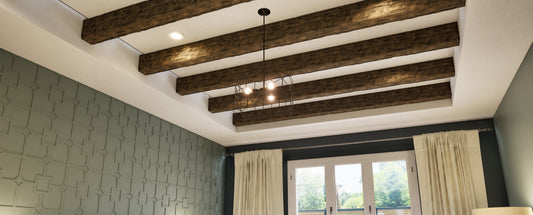
Adding exposed beams to a ceiling transforms an ordinary room into a striking architectural space. Whether you want a rustic farmhouse vibe or a modern architectural edge, ceiling beams provide unmatched warmth and character. However, when planning your design, you face a significant choice: should you use faux wood beams or real wood beams?
Comparing faux wood beams vs real wood involves looking at cost, structural requirements, maintenance, and visual appeal. Both options offer unique advantages. This comprehensive guide will help you understand the differences between fake beams vs real beams, allowing you to choose the perfect fit for your home or design project.
What Are Real Wood Beams?
Real wood beams are exactly what they sound like: solid pieces of timber or hollow box beams crafted from genuine wood planks. Builders have used solid timber for centuries to support roofs and upper floors. Today, homeowners often add them purely for decorative purposes.
Real wood brings natural authenticity to a space. You get the genuine scent of timber, authentic grain patterns, and the traditional feel of natural materials. Common woods used include oak, pine, cedar, and reclaimed barn wood.
What Are Faux Wood Beams?
Faux wood beams replicate the exact look of natural timber but use high-density polyurethane foam. Manufacturers cast these beams from molds taken from actual wood, ensuring every knot, grain line, and texture appears remarkably realistic.
When looking at polyurethane beams vs wood, the most obvious difference is the material composition. High-density polyurethane is incredibly lightweight, moisture-resistant, and easy to manufacture in various sizes and finishes. From smooth, contemporary styles to deeply grooved, hand-hewn textures, faux wood offers limitless design possibilities. For a closer look at our offerings, visit the Elite Ceiling Designs homepage.
Fake Beams vs Real Beams: A Side-by-Side Comparison
To make the best decision for your ceiling upgrade, you need to evaluate both materials across five crucial categories.
1. Cost and Affordability
Budget plays a primary role in most home improvement projects.
Real Wood: Solid wood beams, especially heavy hardwoods or trendy reclaimed timber, come with a high price tag. The cost of the raw material is just the beginning. Because solid wood is heavy, shipping costs are substantial. Furthermore, you will likely need to hire structural engineers and specialized contractors to ensure your ceiling can support the weight.
Faux Wood: Polyurethane beams are significantly more cost-effective. The manufacturing process keeps material costs low, and the lightweight nature of foam slashes shipping expenses. Because installation is much simpler, labor costs drop dramatically. You can achieve the exact look of expensive reclaimed oak at a fraction of the total cost.
2. Weight and Structural Requirements
The weight difference between polyurethane beams vs wood dictates how you can use them in your home.
Real Wood: A single solid timber beam can weigh hundreds of pounds. Standard drywall ceilings cannot support this massive load. You must anchor real wood beams directly into structural joists or install additional support systems. If your home’s framing cannot handle the weight, installing solid wood becomes impossible without major renovations.
Faux Wood: A high-density polyurethane beam typically weighs between 10 and 20 pounds, depending on the length. This incredible weight advantage means you can install faux wood beams on virtually any ceiling, including standard drywall, vaulted ceilings, and even suspended ceilings.
3. Installation Ease
Time and labor heavily influence any remodeling timeline.
Real Wood: Installing solid wood requires heavy machinery, scaffolding, and a team of experienced professionals. Cutting solid timber on-site is difficult and requires heavy-duty tools. Mistakes during cutting are costly.
Faux Wood: You can cut polyurethane beams with standard woodworking tools like a handsaw. Because they are hollow and lightweight, one or two people can easily lift and secure them. You simply install wooden blocking to the ceiling and slide the U-shaped faux beam over the blocks, securing it with screws. Many homeowners tackle this as a weekend DIY project. If you prefer to hire professionals, we offer dedicated professional services to assist with your project needs.
4. Durability and Maintenance
Ceiling upgrades should stand the test of time without requiring constant upkeep.
Real Wood: Natural timber is susceptible to environmental changes. As humidity levels fluctuate, wood expands, contracts, warps, and cracks. Real wood also attracts pests like termites and carpenter ants. To keep real wood looking its best, you must periodically treat, stain, or seal it. Over time, heavy timber can also cause structural sagging if not properly supported.
Faux Wood: Polyurethane is an inert material. It will never rot, warp, twist, or crack. It does not expand or contract with temperature changes, making it ideal for high-humidity areas like bathrooms, kitchens, and covered outdoor patios. Furthermore, pests have absolutely no interest in eating foam. Once you install a faux wood beam, it requires zero maintenance other than the occasional dusting.
5. Aesthetic Appeal and Design Flexibility
Ultimately, the goal is to create a visually stunning room.
Real Wood: Genuine timber offers undeniable, classic beauty. Every piece is entirely unique. However, finding matching pieces of reclaimed wood for a large room can be difficult. Additionally, hollow box beams made from real wood sometimes show visible seams where the planks join.
Faux Wood: High-quality faux beams are practically indistinguishable from real wood. Because they are cast from molds of real timber, they capture every authentic detail. You can easily order consistent finishes and textures for large spaces. Furthermore, the hollow interior of faux beams serves a dual purpose. You can easily hide unsightly wiring, plumbing pipes, or structural steel beams inside them. You can even install recessed lighting directly into the polyurethane material.
To see the dramatic visual impact these products can have, read our case study on how we transformed a room's aesthetics with resawn textured foam beams.
Environmental Impact
Many homeowners worry about the ecological footprint of their building materials. Sourcing real wood, especially highly sought-after old-growth or exotic timber, contributes to deforestation. While reclaimed wood is an eco-friendly alternative, it is scarce and expensive.
High-density polyurethane beams offer a sustainable alternative. By choosing faux wood, you help preserve natural forests. Additionally, the lightweight nature of foam reduces the carbon emissions associated with shipping heavy freight across the country.
Which Option is Best for Your Home?
Choosing between faux wood beams vs real wood depends entirely on your specific circumstances.
You might choose real wood beams if:
- You are building a new home and can factor the structural weight into the initial architectural plans.
- You have a large budget to cover expensive materials, shipping, and specialized labor.
- You absolutely must have the scent and tactile feel of genuine solid timber.
You should choose faux wood beams if:
- You are remodeling an existing home and want to avoid structural modifications.
- You want to stick to a reasonable budget without sacrificing visual quality.
- You plan to hide existing pipes, ductwork, or electrical wires.
- You want a maintenance-free product that will not warp, rot, or attract pests.
- You are looking for a straightforward, manageable installation process.
Why Choose Elite Ceiling Designs?
At Elite Ceiling Designs, we specialize in manufacturing premium, high-density polyurethane architectural products. We understand that homeowners and designers want the authentic look of natural timber without the headaches of weight, cost, and maintenance. We proudly offer a wide variety of textures and finishes, ensuring you find the exact style to complement your home. Learn more About Elite Ceiling Designs & Faux Wood Beam Experts about us and discover how our products elevate interior design.
Start Your Ceiling Transformation
Deciding between polyurethane beams vs wood is the first step toward creating the home of your dreams. Faux wood beams offer the perfect blend of affordability, durability, and striking visual appeal. They remove the structural barriers of heavy timber, allowing anyone to enjoy the warmth and character of exposed beams.
Ready to upgrade your space? Explore our extensive collection of faux wood products and find the perfect match for your next design project.