Blending Modern and Historic Architecture in the Bay Area

The San Francisco Bay Area is an architectural museum. From the iconic Victorians lining the hills of San Francisco to the sturdy Craftsman bungalows of Berkeley and the romantic Spanish Revival homes of the Peninsula, each neighborhood tells a story. Renovating these properties is a balancing act—a delicate negotiation between preserving historical character and integrating modern living. The goal is not just to update a house, but to honor its past while making it functional for today. This is the essence of blending modern and historic architecture in the Bay Area.
Why Bay Area Homes Deserve a Thoughtful Approach to Renovation
When you take on a historic home remodel Bay Area project, you become a steward of its legacy. These homes are more than just structures; they are part of the region's cultural fabric. A slapdash renovation that ignores original details or proportions can diminish not only the home's value but also its contribution to the neighborhood's character. Restoring historic homes California style means working with the original architecture, not against it.
A thoughtful approach respects the home's "good bones." It seeks to understand why the original builders made certain choices—the window placements, the roof pitches, the decorative trim. The best Bay Area renovation ideas are those that start with this respect. The challenge isn't to make an old house look new, but to make it feel both timeless and current. This requires a strategy that balances preservation with thoughtful evolution.
The Challenge: Modern Comfort Without Erasing Architectural Identity
Many homeowners fall in love with a historic property for its unique charm, only to find that charm comes with drafty windows, small rooms, and outdated layouts. The temptation is to tear down walls and create a wide-open floor plan, but this can erase the very identity that made the home special. The true art lies in finding architectural harmony in the renovation, blending old and new seamlessly.
Where Modern Renovations Often Go Wrong
The most common mistake is a failure of proportion. A massive, boxy addition attached to a delicate Victorian home feels jarring. Flat, textureless materials used next to intricate, original plasterwork can make the new work feel cheap and the old work feel dated. The addition of a contemporary element to a historic home should feel like a respectful conversation between two eras, not a shouting match.
Keeping Proportion, Scale, and Detail in Balance
Successful renovations maintain a consistent architectural language. This doesn't mean you have to slavishly copy every detail. It means the new elements should echo the scale, rhythm, and level of detail of the original structure. If the old part of the house has deep eaves and textured siding, the new part should reflect that sense of depth and texture, even if the forms are more contemporary. It’s about creating a cohesive whole where the lines between old and new are intentionally blurred or celebrated, not awkwardly ignored.
Signature Bay Area Styles and How They Translate Today
The Bay Area’s architectural diversity provides a rich canvas for renovators. Understanding the core principles of each major style is the first step toward a successful project.
Victorian Homes: Preserving Ornamental Character
Victorian homes are defined by their complexity and ornamentation: intricate gingerbread trim, bay windows, steep gables, and detailed molding. A Victorian home renovation Bay Area project often focuses on preserving these irreplaceable details while opening up the famously dark and partitioned interiors. The key is to add light and space without sacrificing the decorative essence. This might involve using period-appropriate trim on new openings or carrying a specific molding profile from an old room into a new one.
Craftsman Homes: Honoring Structure and Warmth
The Craftsman movement was a reaction against Victorian excess. These homes emphasize natural materials, visible craftsmanship, and a sense of structural honesty. Think heavy wood trim, built-in cabinetry, and prominent roof rafters. A Craftsman remodel California style should honor this warmth and substance. Renovations often focus on enhancing the connection to the outdoors with larger windows or doors that respect the original grid patterns. The material palette—wood, stone, and earth tones—is essential to maintaining the home's integrity.
Spanish Revival: Texture, Depth, and Contrast
Common on the Peninsula and in parts of the South Bay, Spanish Revival homes feature stucco walls, red tile roofs, arched doorways, and wrought-iron details. These homes are all about texture, depth, and the interplay of light and shadow. Successful Spanish Revival renovation ideas often involve enhancing these qualities. This might mean adding a courtyard, using textured finishes on new walls, or incorporating deep-set windows that create dramatic shadows. The goal is to maintain the romantic, rustic feel while improving flow and function.
Architectural Details That Bridge Historic and Contemporary Design
When blending old and new, certain architectural elements can act as a bridge, tying the different styles together. These are the details that create a sense of continuity and intentionality. Often, the ceiling is the most underutilized surface for achieving this harmony.
Ceiling Treatments That Add Depth Without Structural Changes
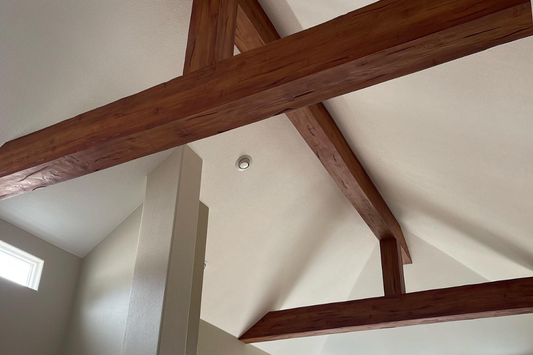
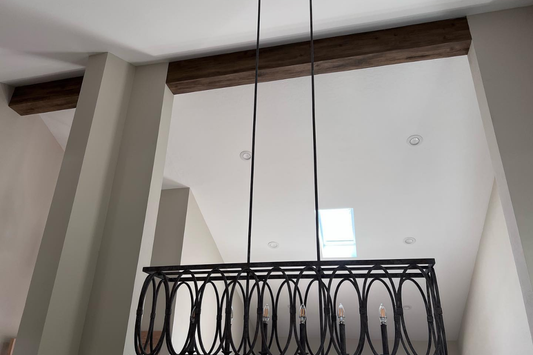
In many historic remodels, adding heavy, solid timber beams to a ceiling is tempting. It can add instant character and a sense of history. However, doing so often requires significant and expensive structural upgrades to support the immense weight. An alternative is to use lightweight decorative beams to create the same visual impact. These can be used to add rhythm to a long hallway, define a space within an open-plan room, or add a rustic touch to a modern kitchen. Because they are non-structural, they can be installed without overhauling the home's frame.
Creating Contrast with Texture Instead of Mass
Another effective strategy is using texture to create visual interest. Instead of a flat, painted ceiling, introducing the rough-hewn texture of a wood beam—even a faux one—adds a layer of warmth and complexity. This texture can be a nod to the home's rustic past while sitting comfortably within a clean, modern aesthetic. The contrast between a smooth white wall and a richly textured beam is a classic design move that works in almost any style, from a San Francisco Victorian to a modern addition.
Lightweight Solutions That Preserve Character Without Overhaul
The biggest hurdle in many Bay Area renovations is the existing structure. Older homes were not engineered to support the heavy materials we often associate with high-end design, like massive timber beams or precast concrete features. This is where modern material science offers a powerful solution.
Why Weight Matters in Older Bay Area Structures
Many historic Bay Area homes were built before modern seismic codes and on foundations that have settled over a century. Adding thousands of pounds of new dead load in the form of solid wood beams is not just expensive; it can be dangerous. It stresses the original framing and can require new footings and structural reinforcement that drive up costs and complexity. Choosing lightweight architectural elements Bay Area renovators trust is a practical and responsible decision.
Adding Architectural Presence Without Reinforcing the Frame
High-density polyurethane beams offer the perfect solution. They are cast from molds of real wood, capturing every detail of the grain, knots, and texture. Yet, they weigh a fraction of what solid wood does. This means you can add the architectural presence of massive 12x12 trusses to a Victorian great room or the look of reclaimed barnwood to a Craftsman kitchen ceiling without needing to call a structural engineer. This approach allows you to achieve your design vision without the risk and expense of a structural modification. Our custom design services can help you create the exact size and texture needed to match your project's unique character.
Designing Modern Additions That Feel Intentional, Not Attached
When expanding a historic home, the goal is to make the addition feel like a natural evolution of the original house. This requires more than just connecting a new box to the back of an old one.
Matching Texture and Scale Instead of Mimicking the Past
A common approach is to try to perfectly mimic the old style in the new addition. This can be difficult and expensive, and it often looks slightly "off." A more successful strategy is to design a contemporary addition that respects the original home's scale, proportions, and material texture. For example, if the original house has a gabled roof, the addition might have a modern, asymmetrical gable. If the original has wood siding, the addition could use a modern rainscreen system with wood tones. It's about rhyming, not repeating.
Using Architectural Beams to Create Continuity Between Old and New
Architectural beams are an excellent tool for visually stitching an old space and a new one together. You can run beams from the original living room right through into the new, modern kitchen extension. This simple move creates a powerful sense of continuity. The beam becomes a unifying element that draws the eye from one space to the next, signaling that while the styles may be different, they are part of the same cohesive home. Our gallery showcases many examples of how this technique can be used to bridge eras.
Real Bay Area Renovation Trends We’re Seeing Right Now
As a company that has worked with Bay Area designers and builders for over 18 years, we see trends emerge long before they hit the magazines. Right now, there is a strong movement toward "transitional design"—a thoughtful blending of classic and contemporary elements.
Homeowners are moving away from sterile, all-white modernism and reintroducing warmth, texture, and character into their spaces. They are exposing original brick, restoring original floors, and adding architectural details that have substance. In the context of modern historic remodel Bay Area projects, this often means pairing clean lines and modern fixtures with rustic, textured ceiling beams or other architectural features. It’s a sophisticated look that feels both fresh and deeply rooted, making it perfect for the Bay Area's unique housing stock.
Blending Modern and Historic Architecture: The Right Materials
Ultimately, a successful renovation comes down to making smart choices. When you are blending modern and historic architecture Bay Area style, the materials you choose are as important as the design itself. They need to respect the past, perform in the present, and endure for the future.
Durability, Longevity, and Design Integrity
Choosing architectural materials for historic homes means looking for products that solve problems, not create them. Solid wood beams in our damp climate require constant maintenance to prevent rot and pests. Heavy concrete elements can over-stress old framing. High-density polyurethane, however, is impervious to moisture, pests, and rot. It delivers the aesthetic you want with the low-maintenance durability you need, ensuring your design vision remains intact for decades.
Working with Experienced Local Fabricators
Your project's success depends on partners who understand the local context. As a California-based company with a long history in the region, we know the architectural styles and the specific challenges of renovating here. We work directly with homeowners, designers, and contractors to fabricate custom architectural elements that meet the precise needs of each project. Visit our Bay Area location page to learn more about our work in your neighborhood and how we can help bring your vision to life.
If you're planning a remodel or new build, the details you choose will shape the entire space. Ceiling beams can either blend in or become a defining architectural feature depending on how they’re designed.
Browse our faux beam styles and finishes or reach out to our team to plan a design that fits your home and location.