Faux Wood vs. Real Wood Beams in Arizona's Dry Climate

Building a home in Arizona means designing for a unique and demanding environment. The same sun-drenched landscape that makes the Sonoran Desert so beautiful also presents a significant challenge for construction materials. When it comes to architectural details like exterior beams, trusses, and corbels, the choice of material is not just aesthetic—it's a critical decision that impacts long-term durability and maintenance. For homeowners and builders, the question often comes down to a direct comparison: faux wood vs. real wood beams in Arizona. Understanding how each material performs in a dry, hot climate is key to making a smart, lasting investment.
Building in the Desert Is a Different Conversation
The conversation around building materials changes dramatically in the desert. Unlike in milder, more humid regions, the primary adversary here is not constant moisture, but a relentless combination of intense sun, low humidity, and extreme temperature swings. Arizona desert home construction requires a deep understanding of these specific environmental pressures.
The defining features of the Phoenix climate are intense, year-round sun exposure, which delivers a powerful dose of UV radiation, and extremely low humidity. This arid environment is punctuated by dramatic diurnal temperature shifts, where a 95°F afternoon can easily drop to 60°F after sunset. This constant cycle of heating and cooling, combined with the dry air, creates a stress test that few organic materials can withstand without significant and ongoing maintenance. For exterior features on Arizona custom home design projects, material stability is not a luxury; it is a necessity.
What Dry Climate Conditions Do to Real Timber
Real wood has a timeless appeal, but its performance in the Sonoran Desert is a well-documented struggle. As an organic material, wood is in a constant state of trying to find equilibrium with its environment. In a place like Phoenix, that environment is actively hostile to wood's natural composition.
Moisture Loss and Surface Cracking
Wood contains natural moisture. When a wood beam is placed in an arid environment, the dry air acts like a sponge, relentlessly pulling that moisture out of the wood fibers. This is especially true for wood shrinkage hot climates are known for. As the wood loses moisture, it shrinks. This process is rarely uniform. The surface exposed to the sun dries out much faster than the core, creating immense internal stress.
The result is dry climate wood cracking. Small surface checks appear first, but over time, these can develop into deep, structural splits that run the length of the beam. This isn't a sign of poor-quality wood; it's the natural and unavoidable response of timber to a low-humidity environment.
Warping and Movement in Extreme Heat
In addition to cracking, this differential drying causes wood to warp, twist, and cup. A beam that was perfectly straight upon installation can bow significantly after a few desert summers. This movement is not just an aesthetic problem. Warped beams can pull away from their fasteners, open up joints in decorative trusses, and create gaps where they meet the walls of the house. The intense wood splitting in desert heat is a physical manifestation of the material's battle against the climate—a battle it is destined to lose. The constant movement also puts stress on any paint or stain, causing premature failure of the protective coating.
How Real Wood Beams Age in Phoenix Homes
The aging process for real wood in the desert is accelerated and unforgiving. What might take a decade to break down in a milder climate can happen in just a few years under the intense Arizona sun. The long-term ownership of real wood features becomes a story of constant, and often costly, upkeep.
UV Exposure and Color Fading
The UV radiation in the desert is among the most intense in the country. This sunlight relentlessly attacks both the wood fibers and the finishes meant to protect them. The most visible result is the significant fading wood beams desert sun causes. A rich, dark stain can bleach out to a pale, washed-out color in just a season or two, especially on southern and western exposures.
This UV damage goes beyond color. It breaks down the wood fibers at the surface, leaving them brittle and "punky." This degradation of the substrate is why paints and sealants fail so quickly. The coating peels and flakes off because the wood it is bonded to is disintegrating.
Ongoing Sealing and Re-Staining Cycles
To combat this relentless assault, Phoenix home exterior beams maintenance becomes a recurring, labor-intensive chore. To keep real wood beams looking their best and protected from the elements, they must be sanded and re-sealed or re-stained every two to three years. For a home with extensive exterior timber work, this is a significant and perpetual expense. The Arizona beam maintenance costs, when factored over the life of the home, can far exceed the initial cost of the wood itself. It's a commitment to a maintenance cycle that many homeowners are unprepared for.
How Faux Wood Beams Perform in High Heat Environments
The limitations of real wood in the desert have driven architects and builders to seek out more stable alternatives. This is where the comparison of faux wood vs real wood beams Arizona becomes a practical discussion about modern material science. High-density polyurethane offers a solution that captures the aesthetic of wood without its inherent vulnerabilities to a hot, dry climate.
Stability in Extreme Temperature Swings
High-density polyurethane, the material used to create Elite Ceiling Designs beams, is a closed-cell polymer. It is "thermoset," meaning once it is cured, its shape is permanently set. Unlike wood, it does not absorb or release moisture from the air. This makes it dimensionally stable. It does not swell in humid monsoon weather or shrink in the dry winter air.
This stability is crucial in an environment with large temperature swings. While all materials expand and contract with heat, the movement of polyurethane is minimal and predictable. This means our beams remain straight and true, even after years of exposure to the desert's thermal cycles. They are truly heat resistant architectural materials.
Resistance to Cracking and Splitting
Because polyurethane beams Arizona homeowners choose are stable and non-porous, they are immune to the cracking and splitting that plague real wood. There is no moisture loss to cause internal stress, so the surface remains intact. The material does not check, warp, or twist. You can install a large decorative beam on a west-facing wall in Phoenix and be confident that it will look the same in ten years as it did on day one. This makes them a superior choice over non wood exterior beams Phoenix has traditionally used, like steel or concrete, which come with their own weight and installation challenges.
Structural Weight vs. Visual Impact
Desert architecture, particularly in luxury custom homes, often calls for a sense of mass and permanence. This aesthetic frequently involves the use of large, heavy-looking timber elements to anchor the design. However, achieving this look with real wood comes with significant structural and financial implications.
Achieving Heavy Timber Scale Without Structural Reinforcement
A solid wood beam large enough to make a visual impact in a great room with 20-foot ceilings can weigh thousands of pounds. Supporting this "dead load"—weight that serves no structural purpose—requires the entire building to be over-engineered. This means larger footings, stronger roof trusses, and more complex framing, all of which add considerable cost to a project.
Lightweight decorative beams Arizona builders prefer solve this problem. Our polyurethane beams provide the visual mass of heavy timber at a fraction of the weight. A 20-foot-long faux wood beam that looks like a massive timber log might weigh less than 100 pounds. This allows architects to design dramatic ceiling treatments and exterior details without imposing a weight penalty on the structure.
Design Flexibility in Modern Desert Homes
This lightweight nature provides incredible design freedom. Beams can be installed on virtually any ceiling or wall without needing special blocking or reinforcement. This is especially useful for non structural ceiling beams Phoenix remodels often require, where adding structural support retroactively is prohibitively expensive. It allows homeowners to add the warmth and character of wood beams to existing rooms easily. It also allows for the design of large span decorative beams in new builds, creating the open, airy feel of modern desert architecture without visual or structural compromise.
Maintenance Expectations: Real Wood vs. Low-Maintenance Alternatives
When comparing materials for an Arizona home, the long-term maintenance commitment is one of the most important factors. The lifestyle in places like Phoenix and Scottsdale is about enjoying the beauty of the desert, not spending weekends on a ladder with a sander and a can of stain.
Annual Maintenance Considerations
As discussed, real wood requires a rigorous and consistent maintenance schedule. The annual budget for a home with real wood exterior beams must include the cost of inspection, sanding, and re-sealing. It is not an optional task; neglecting it for even a few years can lead to irreversible damage and the need for costly replacement.
In contrast, low maintenance beams Arizona builders install, like those from Elite Ceiling Designs, require virtually no maintenance. Our proprietary finishing process includes multiple layers of protective coatings with UV inhibitors. The beams will not rot, crack, or get infested by insects. Once installed, they are finished. This is a crucial factor in understanding the total cost of ownership.
Long-Term Appearance and Performance
Over a decade, the appearance of a real wood beam will inevitably change. Despite diligent maintenance, it will show signs of age—faded color, small cracks, and minor warping. The long term beam performance Phoenix demands is simply not met by natural wood.
A high-density polyurethane beam, however, will maintain its original appearance. The color will remain stable, the texture will be unchanged, and the beam will remain straight. The investment made in the home's architectural character is preserved, not diminished, by the desert climate. It’s a choice for lasting Arizona exterior durability.
Choosing Heat Resistant Architectural Materials for Arizona Homes
Making smart material choices is the foundation of successful desert design. It’s about selecting products that are engineered for the specific challenges of high heat, low humidity, and intense sun. This applies to both the interior and exterior of the home.
Interior Applications in Open-Concept Homes
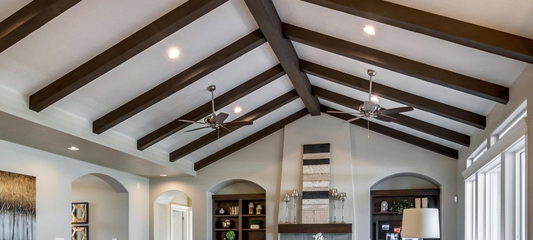
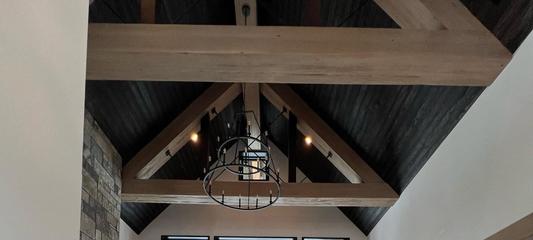
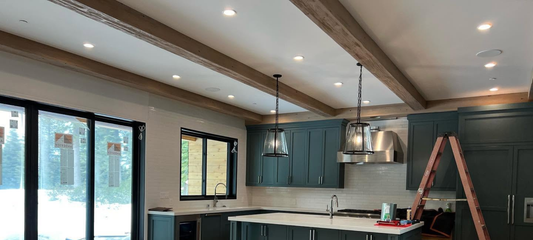
Inside the home, the primary challenge is achieving the desired aesthetic without structural complications. In the large, open-concept spaces popular in modern desert homes, exposed beams are used to add warmth, scale, and character. Lightweight polyurethane beams allow designers to add these elements freely, creating dramatic truss systems in vaulted ceilings or rustic ceiling grids in kitchens without worrying about weight.
Exterior Beam Applications in Courtyards and Patios
Outside, performance is paramount. Heat resistant architectural materials are essential for features like pergolas, patio covers, and decorative exterior trusses. Phoenix custom home materials need to stand up to direct sun and heat. Using polyurethane beams for these applications ensures they will not become a maintenance problem. They provide the same welcoming, shaded aesthetic as wood but eliminate the risk of rot, termite damage, and constant refinishing, making them ideal for the courtyards and outdoor living rooms that are central to the Arizona lifestyle.
Faux Wood vs. Real Wood Beams in Arizona: The Right Choice
When building or renovating in the Sonoran Desert, the choice between faux wood and real wood beams is a clear one for those prioritizing longevity and ease of ownership. The relentless desert climate—with its intense sun, low humidity, and temperature extremes—is simply too harsh for natural wood to endure without constant and costly maintenance. The comparison of faux wood vs real wood beams in Arizona is ultimately a comparison between a material that fights the climate and one that is immune to it.
Real wood will inevitably crack, fade, and warp. Faux wood, made from stable high-density polyurethane, will not. While the initial appeal of real timber is strong, the reality of its performance in Arizona leads to a cycle of work and expense that detracts from the joy of homeownership.
For homeowners and builders looking for the best beams for Phoenix homes, the smart choice is a material engineered for the environment. You can achieve the authentic, rustic aesthetic of heavy timber without the associated weight, cost, and maintenance. Choosing a durable, stable alternative is the key to creating a beautiful home that is designed not just to survive the desert, but to thrive in it for generations.
Covering or upgrading a ceiling beam is one of those projects where the right material makes all the difference. If you want something that looks like real wood without the weight, maintenance, or installation complexity, foam beams are usually the most practical option.
You can request a custom quote for your project or contact our team . to talk through your space and get a clear direction before you start.