How to Protect Your Architectural Features in the Arizona Sun

Living in Arizona means accepting a certain reality about the climate. It is beautiful, dramatic, and incredibly harsh on anything you build. When you invest in a custom home or a major renovation, you are putting materials out into an environment that is actively trying to break them down. The sun here isn't just a source of light; it is a physical force.
For homeowners in Phoenix, Scottsdale, and the surrounding desert, protecting exterior details is a constant battle. Exposed beams, decorative trusses, corbels, and patio covers are the features that give desert homes their character. They are also the first things to fail. Understanding how to protect your architectural features in the Arizona sun requires more than just a coat of paint. It requires a strategy that starts with material selection and ends with smart design, ensuring your home looks as good in ten years as it does today.
The Arizona Sun Isn’t Just Hot — It’s Relentless
In many parts of the country, "summer sun" means a few months of warm weather. In the Sonoran Desert, solar exposure is a year-round event. We receive over 300 days of sunshine a year. But it’s not just the duration; it’s the intensity. The UV index in Arizona consistently hits extreme levels, delivering radiation that degrades organic materials at a cellular level.
Arizona sun damage homes experience is compounded by heat. We aren't just talking about 110-degree air temperatures. We are talking about surface temperatures. A dark wood beam on a south-facing wall can easily reach 160 degrees or more. This heat doesn't just come from the sky. It reflects off pool decks, concrete driveways, and stucco walls, baking architectural features from all sides.
This combination of direct radiation, ambient heat, and reflected energy creates an environment where Phoenix exterior material durability is tested every single day. Most standard building materials, especially wood, simply aren't engineered to withstand this level of thermal stress without significant help. Recognizing that desert sun exposure buildings face is unique is the first step in choosing solutions that actually last. Routine Arizona home exterior maintenance isn't enough if the underlying material is fighting a losing battle against the climate.
What UV Exposure Really Does to Exterior Wood
To understand why traditional materials fail here, you have to look at what UV radiation actually does to wood. It’s not just about aesthetics. UV rays carry enough energy to break the chemical bonds in wood's cellular structure.
Surface Fading and Discoloration
The most immediate sign of UV damage exterior wood suffers is color change. This happens fast. You might install a beautiful, rich cedar truss in October, and by the following July, the side facing the sun has turned grey. This isn't just "weathering." It’s a chemical breakdown called photodegradation.
The UV light destroys the lignin—the natural glue that holds wood fibers together. As the lignin breaks down, the surface fibers detach. This is why old wood looks fuzzy or chalky. Sun bleaching wood beams creates an uneven look, where protected areas remain dark and exposed areas look washed out. This forces homeowners into a cycle of stripping and re-staining that never really ends because the sun never stops working against you.
Micro-Cracking from Heat and Dryness
While fading is ugly, cracking wood in Arizona heat is structural. As the sun beats down on a timber beam, it dries out the surface incredibly fast. The core of the beam, however, retains some moisture. This difference creates tension.
The surface tries to shrink as it dries, but the core holds it back. The result is checking—small cracks that open up along the grain. In the desert, these aren't just hairline fractures. The intense dryness pulls the wood apart, creating deep fissures that allow water (from monsoons or irrigation) and pests to enter the beam. This Phoenix wood exterior deterioration is a direct result of the material trying to reach equilibrium with an environment that is too dry for it.
Long-Term Structural Weakening from Repeated Exposure
Over years, this cycle of heating, drying, and cracking compromises the integrity of the wood. A decorative corbel that is full of deep cracks is no longer solid. It becomes brittle. Fasteners lose their grip as the wood around them degrades. What started as a visual problem becomes a safety issue. An exterior feature that is falling apart is a liability, especially during high wind events or severe summer storms.
Why Heat Amplifies Wear on Decorative Features
UV light does the chemical damage, but heat provides the physical stress. The thermal swings in the desert are massive. It is not uncommon for the temperature to drop 30 or 40 degrees at night. This rapid heating and cooling cycle puts immense mechanical stress on building materials.
Expansion and Contraction in High Heat
Every material expands when it gets hot and contracts when it gets cool. This is thermal expansion. In extreme heat exterior beams made of wood or metal move significantly. A 20-foot beam can expand and contract by a fraction of an inch every single day.
Over time, this movement loosens joints. Miters that were tight when installed open up. Caulk lines tear. This movement is relentless. Thermal expansion exterior materials undergo causes fatigue. The material eventually fails because it is being pushed and pulled apart on a daily basis. This is why you often see gaps where beams meet the wall or where truss members connect. The heat has literally worked them loose.
South- and West-Facing Exposure Risks
The damage is never uniform. The south and west sides of your home take the brunt of the abuse. The afternoon sun in Phoenix is brutal. It hits at a lower angle, driving heat deep into vertical surfaces.
Desert temperature swings materials face on these exposures are extreme. A beam on the west side might go from 80 degrees in the morning to 150 degrees by 4:00 PM. This rapid spike causes rapid expansion. If the material isn't stable, it warps. We see this constantly with real wood—beams twisting, cupping, and pulling away from the structure because the heat load is uneven. Arizona beam durability depends entirely on orientation. If you are using wood on a west-facing patio, you are signing up for a maintenance nightmare.
Choosing Phoenix Heat Resistant Materials That Last
So, if wood fails, what works? The answer lies in choosing materials that are chemically and physically stable in high heat. You need Phoenix heat resistant materials that don't react to the environment the way organic materials do.
Materials That Resist UV Breakdown
Synthetic materials, specifically high-density polyurethane, offer a significant advantage here. Unlike wood, polyurethane is a polymer that can be formulated with UV inhibitors directly in the material and the coating. This means it reflects UV radiation rather than absorbing it and breaking down.
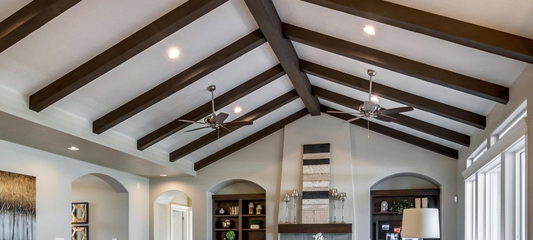
Desert climate building materials Arizona builders rely on need to be inert. They shouldn't have lignin to destroy. They shouldn't have cellular structures that dry out. Elite Ceiling Designs beams are closed-cell foam. The sun can beat on them all day, and the chemical structure remains intact. There is no biological component to degrade, so the surface stays solid year after year.
Reducing Surface Degradation Over Time
Because the material doesn't break down, the finish stays put. Paint and stain failure on wood usually happens because the wood underneath moves or degrades. With weather resistant architectural materials Phoenix homeowners use, the substrate is stable.
This means the finish doesn't peel or flake. It bonds permanently to the beam. While no color is 100% immune to fading over decades, the degradation is vastly slower and more manageable than with wood. You aren't fighting a failing surface; you are simply maintaining a stable one. This is the key to exterior beam materials hot climate performance.
Sun Resistant Architectural Beams: What to Look For
When shopping for architectural details for a desert home, you need to look past the initial appearance. Everything looks good in the showroom. You need to ask how it performs in July.
Stability in Open Courtyard and Patio Applications
Courtyards and patios are the heart of Arizona living, but they are also heat traps. Sun resistant architectural beams are essential here. You want a product that is "dimensionally stable." This means it doesn't change size or shape when the temperature swings.
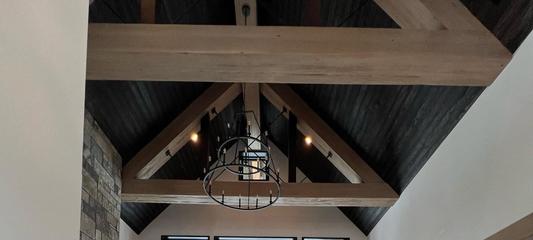
Elite Ceiling Designs beams are molded from high-density polyurethane which is a thermoset material. Once it cures, it's set. It won't soften in the heat like some plastics, and it won't shrink like wood. This makes it ideal for UV resistant decorative beams spanning large patio covers. You get the look of heavy timber without the risk of the beam twisting and destroying your patio roof.
Maintaining Appearance Without Constant Re-Sealing
The biggest selling point for non wood exterior beams Arizona residents choose is the lack of maintenance. Real wood requires sanding and sealing every 12 to 24 months to survive here. That’s expensive and messy.
Durable patio beams Phoenix homeowners install from Elite Ceiling Designs require virtually zero maintenance. You might wash them off with a hose to get the dust off, but you aren't up there with a sander. The multi-step finishing process we use locks in the color. This stability changes the ownership experience. Instead of looking at your patio and seeing a chore list, you just see a beautiful architectural feature.
Design Strategies That Reduce Sun Damage
Material choice is half the battle. The other half is design. Smart architectural planning can significantly reduce the load on your exterior materials. You can design your way out of maintenance problems.
Extending Rooflines and Overhangs
The simplest form of exterior shading design Arizona architects use is the deep overhang. By extending the roofline, you create a permanent shadow for the walls and architectural features below.
If you can keep the sun off your beams for even half the day, you double their lifespan. This is passive protection. It costs nothing once built and works every single day. Deep overhangs also protect the home’s interior from heat gain, lowering energy bills. It’s a holistic approach to beam placement for sun protection that benefits the entire house.
Integrating Beams with Shade Structures
Instead of just sticking decorative beams on an exposed wall, integrate them into functional shade structures. Pergolas, ramadas, and lattice covers use beams to create shade.
Patio beam design Phoenix style often uses these structures to filter sunlight. When using Elite Ceiling Designs beams for these applications, you get the structural look without the weight. You can create complex, layered lattice designs that block 60-70% of the sun without needing heavy steel posts to hold it all up. This architectural detailing desert homes need provides comfort for people and protection for the building itself.
Protecting Architectural Features in the Arizona Sun
Waiting until you see damage is too late. Once wood starts cracking and rotting, you can't really fix it; you can only patch it. Protect architectural features Arizona sun destroys by making proactive decisions before construction or renovation begins.
When Maintenance Becomes a Cycle
If you have existing wood features, you know the drill. You spot a peel. You scrape. You paint. A year later, it peels again. This is the Phoenix exterior durability strategy of the past. It’s reactive.
You are fighting physics, and physics always wins. The moisture loss and thermal expansion are constant forces. No amount of varnish can stop a piece of wood from wanting to shrink in 5% humidity. Recognizing that this maintenance cycle is a trap is the first step toward finding a real solution.
Upgrading Materials Before Damage Compounds
The best time to upgrade is now. If your wood beams are looking tired but aren't structurally failing yet, you have options. But if you wait until dry rot sets in or the cracks go deep, removal becomes dangerous and expensive.
Replacing aging wood with high-density polyurethane is a long term exterior maintenance Arizona strategy that pays off. You stop the cycle. You replace a degrading material with a stable one. It’s an investment in desert home exterior protection that adds value to the home because it solves a known problem for the next buyer.
Building for the Desert Means Respecting the Climate
There is no cheating the Arizona climate. It exposes weak materials ruthlessly. Arizona desert architecture durability isn't about luck; it's about physics. It’s about understanding that UV light destroys binders and heat creates movement.
When you choose materials that respect these facts, you build a better home. Phoenix custom home materials should be chosen for their ability to sit in the sun for 20 years and not blink. Elite Ceiling Designs’ heat resistant architectural beams are designed specifically for this reality. They offer the visual warmth and character that makes a house feel like a home, without the fragility that makes it a burden.
Exterior beam longevity Arizona homeowners want is achievable. It just requires moving past traditional wood and embracing materials engineered for the environment we actually live in. By combining stable materials with smart shading designs, you can have the spectacular desert home you want, without the relentless maintenance you fear.
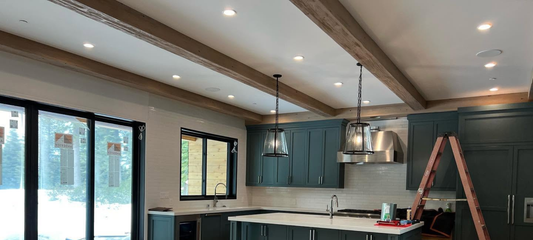
Covering or upgrading a ceiling beam is one of those projects where the right material makes all the difference. If you want something that looks like real wood without the weight, maintenance, or installation complexity, foam beams are usually the most practical option.
You can request a custom quote for your project or contact our team . to talk through your space and get a clear direction before you start.